Blog
- Home
- Blog
How to Choose the Best Ball Valves in 2026?
Choosing the best ball valves in 2026 can be daunting. With numerous options available, making the right decision requires careful consideration. Ball valves play a crucial role in various industries, from plumbing to manufacturing. They ensure efficient flow control in systems.
Understanding the specifications of ball valves is essential. Factors like materials, sizes, and pressure ratings can influence their performance. A valve that works perfectly in one application may fail in another. It’s important to reflect on where and how the valve will be used.
Moreover, emerging technologies impact valve design. Innovations offer improved durability and efficiency. However, not every new feature is necessary for every application. Assessing your specific needs against these advancements is vital. Balancing quality with cost can be challenging, but it’s worth the effort. Taking the time to research and evaluate options will lead you to the best ball valves for your requirements.
Factors to Consider When Selecting Ball Valves for Your Application
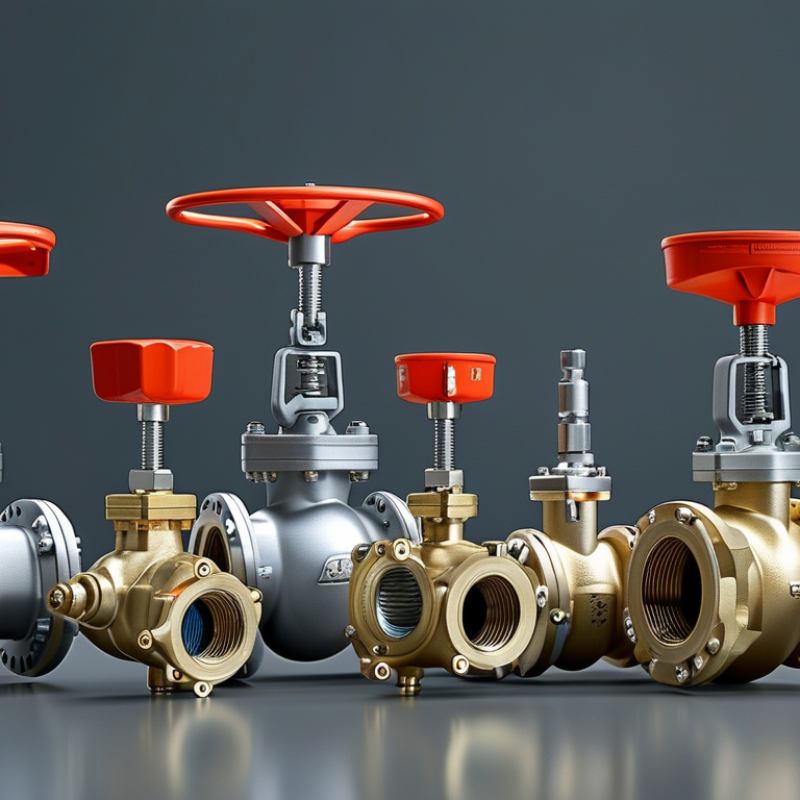
When selecting ball valves for any application, several key factors deserve attention. The choice of material is paramount. Common options include stainless steel and PVC. Stainless steel is ideal for high-pressure systems, while PVC suits corrosive environments. Recent studies indicate that stainless steel valves may outperform plastic alternatives in durability. However, each material has its specific use case.
Consider the valve size and connection type. An improperly sized valve can lead to inefficient flow rates. A flow rate that is too high can cause excessive wear, while a rate too low may lead to cavitation. According to industry reports, nearly 30% of valve failures result from sizing errors, highlighting the need for accurate measurements.
Additionally, think about the application environment. Factors such as temperature extremes and exposure to chemicals impact the valve's lifespan. The American Society of Mechanical Engineers (ASME) suggests that around 20% of operational issues stem from selecting inappropriate materials. Regular assessment and a deep understanding of these parameters can greatly enhance valve performance. Choosing the right ball valve is not just about functionality; it requires a thorough analysis of your specific conditions and potential challenges.
How to Choose the Best Ball Valves in 2026? - Factors to Consider When Selecting Ball Valves for Your Application
| Factor | Description | Impact on Selection |
|---|---|---|
| Material | The material of the ball valve affects its durability and compatibility with various media. | Higher resistance to corrosion and wear leads to longer lifespan. |
| Size | The diameter and port size must match the application requirements to ensure proper flow. | Incorrect sizing can lead to pressure loss and system inefficiency. |
| Pressure Rating | Ball valves come with different pressure ratings; selecting the right one is critical. | Ensures the valve can handle operational pressures without failure. |
| Temperature Rating | Temperature tolerances vary; consider the operating temperature of your application. | Prevents breakdown or malfunction at extreme temperatures. |
| End Connections | Common connection types include threaded, flanged, and welded. | Compatibility with existing piping system is essential for installation. |
| Actuation Type | Can be manual, pneumatic, or electric; affects control capabilities. | Choice influences the ease of operation and automation options. |
| Standards Compliance | Look for compliance with industry standards for quality assurance. | Ensures reliability and safety in operation. |
Types of Ball Valves and Their Suitable Applications in 2026
When selecting ball valves in 2026, understanding the types is crucial. There are three main types: floating, trunnion-mounted, and integrated body. Each type has distinct characteristics and applications. Floating ball valves are commonly used in smaller pipelines. They offer a simple design and work well in lower pressure systems. Trunnion-mounted ball valves, however, excel in high-pressure and high-temperature settings. Their design supports larger ball sizes, providing better sealing performance.
Integrated body ball valves provide compact solutions for specific applications. They combine the valve body and actuator, resulting in a streamlined installation. These valves are suitable where space is limited. Choosing the right type depends on factors like pressure, temperature, and fluid characteristics. Each application might require a different approach, demanding careful consideration.
There are challenges as well. Not all ball valves are suitable for corrosive environments. Selecting the wrong material can lead to failure. Regular maintenance is vital for longevity, yet many overlook this. Understanding the specific needs of your application will guide your choice. Often, consulting with a professional can unveil insights that may not be immediately apparent.
Ball Valves Types and Their Applications in 2026
Material Selection for Optimal Performance and Durability of Ball Valves
When selecting ball valves, material choice is critical for performance and durability. Common materials include stainless steel, brass, and PVC. Stainless steel is often praised for its strength and resistance to corrosion. It performs well in both high-pressure and high-temperature environments. However, there are some downsides. Stainless steel valves can be expensive and may not be ideal for all applications.
Brass offers a good balance between cost and performance. It's widely used in residential applications and provides decent corrosion resistance. Nevertheless, brass may not withstand harsh chemicals, which limits its use in certain industries. PVC valves, on the other hand, are lightweight and resistant to chemical damage. They are suitable for water and sewage systems but lack the strength needed for high-pressure environments.
Choosing the right material depends on specific applications and conditions. Thoughtful consideration of factors like temperature, pressure, and the nature of the fluids is essential. Remember, a misstep in material selection could lead to premature failure or costly repairs. Frequently revisit your choice based on changing conditions in your application. This ongoing assessment can prevent potential issues in the long run.
Evaluating Size and Compatibility of Ball Valves for Your System
When selecting ball valves, size and compatibility are key factors. The right size ensures proper flow and pressure management. It’s essential to examine the valve dimensions. Consider the pipe size and the flow rates required for your system. A small valve can restrict flow, causing pressure drops. Conversely, an oversized valve may lead to unnecessary costs and inefficiencies.
Compatibility with existing systems is equally important. Check the materials used in the ball valve. They must match your piping materials to prevent corrosion and leaks. For example, a valve made from stainless steel might not be suitable for highly corrosive environments. You should also evaluate connection types. Threaded, flanged, or welded connections all play roles in how well the valve integrates with your system.
Don't overlook the possible maintenance challenges. Sometimes, choosing a valve that fits perfectly isn't the only consideration. Assess how easy it is to service or replace. Ensure that the location allows for access. Reflecting on these aspects can prevent costly mistakes. Thoughtful evaluations lead to successful installations and long-lasting performance.
Understanding Flow Characteristics and Pressure Ratings of Ball Valves
Understanding flow characteristics and pressure ratings is crucial when selecting ball valves. The flow characteristics determine how efficiently a valve can control the flow rate. Different ball valves feature varying designs, leading to distinct flow paths. A full-port ball valve allows for maximum flow with minimal resistance. In contrast, a reduced-port design may restrict flow, making it less suitable for high-demand applications.
Pressure ratings are equally important. They indicate the maximum pressure a valve can withstand without failure. Always check the valve's material and construction to ensure it meets your application needs. Higher pressure ratings often correlate with more robust designs, but that can increase costs.
Consider these factors carefully. You may encounter situations where the pressure rating does not match your flow requirements. In those cases, you might be tempted to use a valve not suitable for both aspects. Evaluating both flow characteristics and pressure ratings together ensures better performance and reliability in your systems.
Related Posts
-
How to Choose the Right T Valve for Your Plumbing System?
-

Exploring the Future: Top Valve Engineering Innovations of 2025
-
Understanding Single Valve Systems: The Key to Efficient Fluid Control in Modern Engineering
-
China Top t Valve Suppliers you Need to Know?
-
How to Effectively Control Flow Through Valve Systems for Optimal Performance
-
Why Choose Forged Steel Valves for Your Industrial Applications?
(780) 669-9420