
Blog
- Home
- Blog
What Are the Best Safety Lockout Padlocks from China?
Choosing the best Safety Lockout Padlocks from China begins with risk control, not price. OSHA’s Control of Hazardous Energy standard, 29 CFR 1910.147, identifies lockout/tagout as essential during equipment servicing. OSHA commonly reports that effective lockout/tagout can prevent approximately 120 fatalities and 50,000 injuries annually. Those figures give this topic practical weight. A padlock is small. Its failure is not.
This guide evaluates Chinese-made options through measurable details, including body material, shackle hardness, key control, corrosion resistance, temperature tolerance, and identification. In a wet workshop, a rusting shackle may resist opening when an authorized worker needs it. In a crowded electrical cabinet, inconsistent keying can create confusion. ANSI/ASSP Z244.1 and ISO 14118 emphasize preventing unexpected machine start-up. Manufacturer testing should demonstrate relevant performance. Product claims alone are insufficient. Request test reports, batch records, and traceable specifications.
Industry evidence also demands humility. The U.S. Bureau of Labor Statistics tracks thousands of serious workplace injuries, but its databases rarely isolate padlock quality. The evidence is incomplete. Therefore, no responsible buyer should call one model universally “best.” Supplier audits, sample inspections, field trials, and worker feedback remain important. Look for ownership markings, durable labels, smooth operation, and a documented replacement process. Examine certification scope, not merely logos or sales rankings. China offers capable manufacturers, yet quality can vary between factories and batches. This article separates practical evidence from marketing language, helping safety managers choose dependable Safety Lockout Padlocks for real maintenance environments.
What Makes a Lockout Padlock Suitable for Workplace Safety?
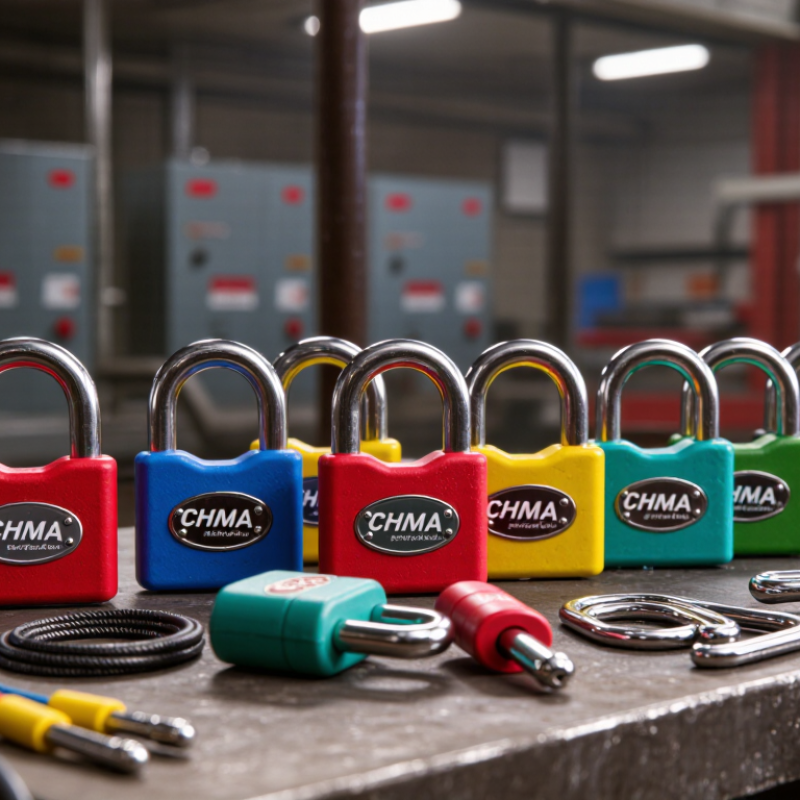
A suitable lockout padlock protects a specific energy-control point during maintenance. The best models from China should have a strong, corrosion-resistant body and a shackle that resists cutting. However, strength alone is not enough. The lock must remain identifiable in a busy workshop. Bright colors, permanent labels, and clear key control reduce accidental removal. A non-conductive body can add protection near electrical equipment. The key should not open another worker’s lock. This detail is easy to overlook.
Tips: Check the lock beside real equipment before ordering large quantities. Test it with gloves, oily hands, and poor lighting. Confirm the label stays readable after cleaning. Ask suppliers for material details, test records, and sample locks. A sample often reveals more than a polished catalog image.
Workplace suitability also depends on daily use. A padlock should open smoothly, even after dust exposure and repeated handling. Its size must fit the hasps, valve covers, and breaker devices used on site. I would also inspect the key-retention design and color consistency across different production batches. A small difference can create confusion. No lock is perfect; weak training or careless storage can defeat a well-made product. Reliable suppliers should support traceable production records and respond clearly to technical questions.
Which Safety Standards Apply to Lockout Padlocks Made in China?
Choosing the best safety lockout padlock from China starts with the standards required in its destination market. In the United States, buyers commonly reference OSHA 29 CFR 1910.147. This rule focuses on controlling hazardous energy during servicing. It does not certify a particular padlock. The lock must support a documented lockout procedure and prevent unauthorized removal.
For machinery used in Europe or other international markets, EN ISO 14118 is highly relevant. It addresses the prevention of unexpected machine start-up. IEC 60204-1 may also influence the complete machine’s electrical safety system. In China, GB/T 33579 provides guidance on hazardous energy control and lockout procedures. These standards usually apply to the safety system, not only the padlock. That distinction matters during supplier reviews.
A reliable padlock should have a clearly controlled key system, durable identification, and resistance to corrosion.
Test the shackle with practical loads. Check operation after dust exposure and repeated use. Nonconductive bodies may reduce electrical contact risks, but they are not automatically electrically safe. Ask for material data, inspection records, and batch traceability. A factory certificate alone is weak evidence. I have seen attractive locks fail because their labels faded within months. That detail is easy to miss. Buyers should also confirm temperature performance and whether the lock fits the site’s hasps. No product is perfect, and a stronger review may reveal requirements the original purchase specification overlooked.
What Types of Chinese Lockout Padlocks Are Available?
Chinese lockout padlocks are available in several practical forms, each suited to a different work environment. Nylon-body padlocks are lightweight and resist many common chemicals. They often use non-conductive bodies, making them suitable around electrical control panels. Steel-body models provide stronger impact resistance for factories, workshops, and outdoor cabinets. Aluminum-body options offer a useful balance between strength and portability.
Shackle design also changes the padlock’s purpose. Short shackles fit compact isolation points and crowded panels. Long shackles reach through larger hasps, valves, and separated locking holes. Some models include interchangeable or standardized key systems.
Keyed-different locks support individual worker control, while keyed-alike sets simplify supervised maintenance teams. Bright colors improve visibility. Engraved numbers can reduce identification errors.
Weather-resistant Chinese padlocks may include sealed keyways, corrosion-resistant shackles, and protective covers. These details matter in humid plants and dusty construction areas.
In my experience reviewing safety hardware, the weakest feature is often overlooked: the key mechanism. A rugged body is not enough. Check smooth operation, shackle clearance, label durability, and test records before purchase.
Ask for material specifications and inspection samples. Small inconsistencies can appear between production batches. That possibility deserves attention. A lockout padlock should match the isolation device, the worker’s procedure, and the surrounding conditions, rather than simply having the lowest price.
How to Compare Materials, Features, and Keying Options?
Choosing the best safety lockout padlock from China requires more than comparing prices. Material selection affects daily reliability. Nylon bodies are lightweight and resist many workplace chemicals. Hardened steel shackles provide strength, while stainless steel suits damp or corrosive areas. For electrical isolation, check whether the body is genuinely nonconductive and supported by test documentation.
Features should match the work environment. A retained-key design prevents the key from being removed while the lock is open. Large labels improve identification near crowded equipment. Color options help separate departments, but bright plastic does not prove quality. Check shackle clearance, temperature resistance, UV stability, and the smoothness of the locking mechanism. Try samples with gloves. Small details matter.
Keying deserves careful planning. Keyed-different systems give each worker individual control. Keyed-alike systems simplify shared procedures, but they can weaken personal accountability if poorly managed. Master-keyed systems may help supervisors, yet access should be restricted and recorded. Ask the supplier for key-code control, duplicate-key policies, and production traceability. Review inspection reports, material certificates, and batch records rather than relying on photographs.
A practical comparison should include sample testing, not only catalogue claims. No checklist catches everything. A lock may pass a basic visual review but fail after repeated exposure to dust or moisture. I would also question unclear test data and unusually low pricing. Reliable sourcing depends on documented quality control, consistent keying, and a supplier willing to discuss weaknesses openly.
How to Evaluate Chinese Manufacturers and Product Quality?
What Are the Best Safety Lockout Padlocks from China?
A reliable evaluation starts with the manufacturer, not the catalog photo. OSHA estimates that effective lockout/tagout controls prevent about 120 deaths and 50,000 injuries yearly. Request the supplier’s quality manual, process flow, inspection records, and change-control procedure. ISO 9001 certification helps, but it does not prove every padlock is safe. Ask for batch traceability and reports from laboratories accredited to ISO/IEC 17025. Check whether the factory tests shackle strength, corrosion resistance, key retention, temperature tolerance, and electrical insulation.
Look closely at production details. Are body materials identified by grade? Are keys controlled and documented? Can the supplier provide samples from different batches? A useful site trial exposes locks to dust, oil, moisture, and repeated outdoor handling. Inspect the hinge, shackle clearance, engraving, and key movement with gloves. Small defects matter. A stiff key can delay isolation work. OSHA also expects lockout devices to be durable, standardized, and identifiable. Ask for evidence, not promises.
Cheap samples can mislead. A polished first batch may hide unstable molding or substituted materials later. This is where many evaluations become too optimistic. Require a pre-shipment inspection, sealed reference samples, and written approval for material changes. The International Labour Organization reported nearly 3 million work-related deaths globally in 2023, reinforcing the cost of weak controls. Chinese manufacturers can offer strong value, but only when factory capability, documented testing, and field performance agree.
| Evaluation Area | Evidence to Request | How to Evaluate It | Warning Signs |
|---|---|---|---|
| Lockout suitability | Product specifications, intended-use instructions, and sample padlocks for the equipment and procedures where they will be used. | Confirm the device can be applied and removed as required by the site’s energy-control procedure. OSHA requires lockout devices to be standardized, substantial, identifiable, and used only for energy-control purposes in covered workplaces (29 CFR 1910.147(c)(5)). | The seller describes a padlock as “OSHA certified.” OSHA’s lockout/tagout rule sets workplace requirements; it does not certify individual padlock models. |
| Material and construction | Written material specification for the body, shackle, pins, and other relevant components; sample product; and inspection records. | Check that the stated construction matches the intended environment and the physical sample. Compare samples across units and production lots for consistent fit, finish, key operation, and assembly. | Material claims are only verbal, specifications change between samples and quotations, or the supplier will not identify the materials used. |
| Corrosion and environmental performance | Test report identifying the tested model, test method, exposure conditions, duration, and results; environmental-use limits in writing. | Match the test conditions to the buyer’s actual exposure. Salt-spray results, where supplied, should state the method and test duration; they do not by themselves establish suitability for every outdoor or chemical environment. | A “corrosion-proof” claim has no supporting test details, or a report covers a different product or material. |
| Keying and key control | Written options for keyed different, keyed alike, or master-key systems; key-control procedures; and sample keys and cylinders. | Confirm the proposed arrangement supports the site’s access-control policy. Test sample locks for smooth operation and verify that the delivered keying configuration matches the purchase order. | The supplier cannot define the keying arrangement, provides no control process for key codes, or substitutes keying without approval. |
| Identification and customization | Proofs for labels, engraving, color options, and packaging; confirmation of legibility and durability for the intended use. | Check that each device can be identified as required by the workplace procedure and that any custom text is accurate and readable on production samples. | Unapproved wording changes, inconsistent identification, or claims that color alone meets all identification needs. |
| Quality management system | Current quality-management-system certificate, issuing body, certificate number, scope, site address, and expiry date. | Verify the certificate with the issuing certification body and check that its scope and named site cover the relevant manufacturing activities. ISO 9001 concerns quality-management systems; it is not a product-performance certification. | A certificate cannot be independently verified, does not cover the factory involved, or is presented as proof that the padlock meets every product requirement. |
| Testing and inspection capability | Product test reports, inspection plan, acceptance criteria, calibration records for measuring equipment, and records linking tests to model or lot. | Check that reports identify the tested sample and methods, and that the supplier can explain how incoming materials, production, and finished products are inspected. For external laboratory reports, verify the laboratory and relevant test scope; ISO/IEC 17025 concerns testing and calibration laboratory competence. | Reports are undated, omit model identification or test methods, or are unrelated to the offered product. |
| Production consistency and traceability | Lot or batch identification method, production records, change-control procedure, and process for handling nonconforming products. | Ask the supplier to show how a finished unit can be traced to its production lot and how changes to materials, components, or tooling are reviewed and communicated. | No traceability records are available, or component and process changes can be made without buyer notification. |
| Pre-shipment verification | Pre-production sample approval, agreed inspection checklist, order-specific inspection report, and packaging details. | Set acceptance criteria before production. Compare the shipment inspection results and a random sample against the approved sample and written specifications. | Inspection is limited to photographs, criteria are agreed only after production, or the shipment differs from the approved sample. |
| Commercial and supplier verification | Registered business details, manufacturing-site address, quotation, product drawings, warranty terms, lead time, and named contact for quality issues. | Confirm that the contracting entity, payment beneficiary, and disclosed manufacturing site are consistent or that any differences are explained in writing. Clarify responsibility for defects, replacements, and corrective actions. | Unexplained changes to the contracting party or payment details, vague warranty terms, or refusal to identify the production site. |
(780) 669-9420