What Are the Best Steel Valves from China?
Choosing the best steel valves from China requires more than comparing catalogue prices. Buyers must examine materials, pressure ratings, manufacturing controls, testing records, and long-term service support. A dependable valve should match the medium, temperature, pressure, and pipeline design—not merely look polished in photographs.
Dr. Arun Kumar, a valve-engineering consultant with more than two decades of process-industry experience, says, “A steel valve earns trust through verified performance, not attractive specifications.” That principle guides this review. We will examine forged and cast steel valves, including gate, globe, check, and ball designs. Attention will also go to stainless steel, carbon steel, trim selection, sealing performance, and corrosion resistance.
Details matter.
A factory may show modern machining centers, yet production consistency still requires inspection evidence. Look for pressure-test reports, traceable material certificates, documented welding procedures, and clear quality-control responsibilities. API, ASME, ISO, and other recognized standards can strengthen confidence, but certification alone does not guarantee suitable service.
This guide also considers practical experience. How quickly does the supplier answer technical questions? Can it provide drawings, replacement parts, and realistic delivery dates? Does its team understand chemical processing, water treatment, oil and gas, or power-generation demands?
No ranking is perfect. Applications differ, and even a respected manufacturer may deliver an unsuitable valve for a poorly defined specification. That limitation matters. The strongest choice balances engineering fit, verified manufacturing quality, lifecycle cost, and responsive support. This article compares leading Chinese suppliers with those criteria in view, while leaving room for careful buyer judgment.
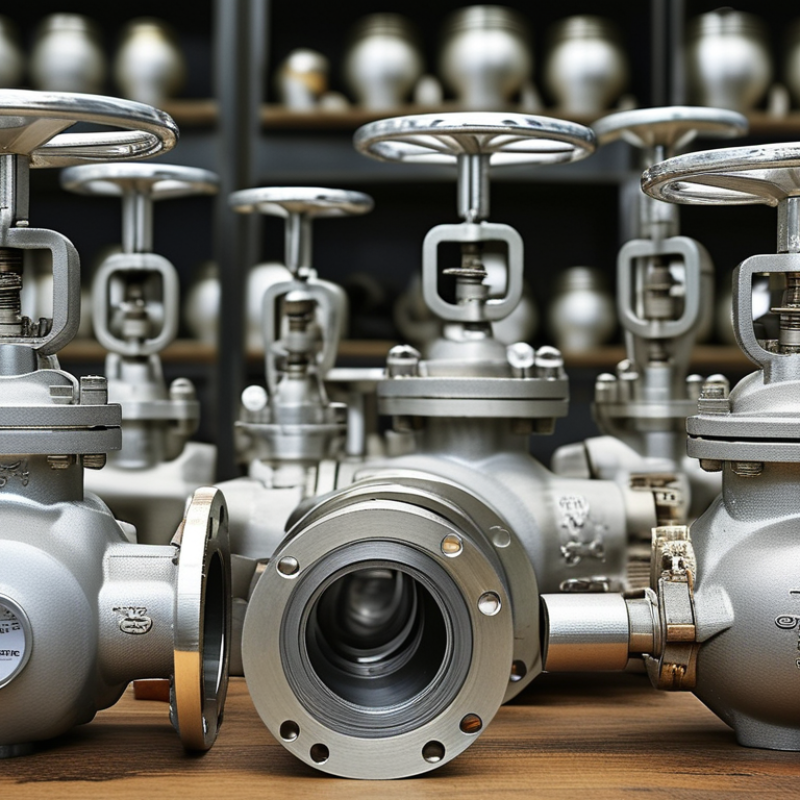
Understanding Steel Valve Types Made in China
What Are the Best Steel Valves from China?
Understanding Steel Valve Types Made in China
Chinese steel valve production covers several designs, and each suits a different flow-control task. Gate valves provide low resistance when fully open. They are common on pipelines that rarely need throttling. Globe valves offer better flow adjustment, although their internal path creates greater pressure loss. Ball valves close quickly and provide reliable shutoff in compact systems. Butterfly valves are lighter, especially on large pipe diameters. Check valves prevent reverse flow without manual operation.
Material selection matters as much as valve design. Carbon steel handles many industrial services and general water applications. Stainless steel resists corrosion in chemical, food, and marine environments. Cast bodies often suit larger, cost-sensitive valves. Forged bodies are usually preferred for smaller, higher-pressure assemblies. Temperature, pressure, fluid composition, and pipe connection should guide the choice. A cheap valve can become an expensive mistake.
Quality depends on more than appearance. Buyers should request material certificates, pressure-test records, dimensional drawings, and traceability details. Relevant standards may include API, ASME, EN, or project-specific specifications. Surface finish can look excellent while hidden machining remains poor. Inspect the stem, seats, packing, and bolt alignment. Ask whether testing covers the actual pressure class. My own selection would remain cautious, because catalog descriptions rarely reveal every production weakness. Small details matter.
Key Materials and Manufacturing Standards to Evaluate
What Are the Best Steel Valves from China?
Material selection determines whether a valve survives pressure, heat, and corrosive media.
The World Steel Association reported that China produced about 1.02 billion tonnes of crude steel in 2023. Large output, however, does not guarantee consistent valve quality. Buyers should verify the exact grade, heat number, and mill certificate. Carbon steel suits many water and oil services. Stainless steel performs better in chloride exposure, but alloy selection still needs process data.
Check the body, trim, stem, and bolting separately.
ASTM or equivalent material standards should match the valve’s temperature and pressure rating. EN 10204 inspection certificates can support traceability. A useful detail is the certificate’s heat number. It should match markings on the casting or forged component. Missing links matter. They can reveal weak document control.
Manufacturing standards require equal attention.
ASME B16.34 addresses pressure-containing valve design. API 598 covers pressure testing, while ISO 5208 provides leakage-rate classifications. These tests should include shell and seat checks, with recorded pressure, duration, and medium. Inspectors should also review casting repairs, nondestructive testing, and dimensional reports. In my view, a polished certificate is not proof of reliable production. Factory audits and witnessed tests provide stronger evidence. Even then, no checklist is perfect. Some buyers focus too heavily on the lowest quotation and overlook coating preparation, packing, or spare-part compatibility.
Leading Chinese Steel Valve Categories and Applications
What Are the Best Steel Valves from China?
Chinese steel valve manufacturers produce several important categories for demanding industrial systems. Forged steel gate valves suit compact, high-pressure pipelines. Cast steel gate valves support larger diameters and lower installation costs. Globe valves provide accurate flow regulation in steam, water, and process lines. Check valves help prevent reverse flow near pumps and compressors. Steel ball valves offer quick shutoff and tight sealing in oil, gas, and chemical applications.
Material selection requires practical judgment. Carbon steel works well in ordinary water and moderate-temperature services. Stainless steel offers stronger resistance against corrosion and contaminated fluids. Alloy steel is more suitable for high-temperature steam and power generation. End connections also matter. Flanged ends simplify maintenance, while welded ends reduce potential leakage points. A valve can look impressive but still fail when the pressure rating is misunderstood.
Reliable purchasing involves more than comparing prices. Experienced buyers review pressure tests, shell tests, seat tests, material certificates, and traceability records. They also check machining quality around the stem and sealing surfaces. In coastal plants, coating quality deserves close attention. In chemical facilities, compatibility must be verified before ordering. A common mistake is selecting by pipe size alone. That shortcut is risky. Factory audits, sample inspections, and documented quality procedures improve confidence, although no inspection removes every uncertainty. Field conditions can expose weaknesses that paperwork misses.
What Are the Best Steel Valves from China?
Leading Chinese Steel Valve Categories and Applications
This chart compares common steel valve categories by their typical suitability for isolation, flow regulation, backflow prevention, and pressure relief. The 1–5 ratings represent functional application fit: 1 means limited suitability and 5 means a primary or widely established use. Gate and ball valves are commonly selected for on/off isolation, globe valves for throttling, check valves for preventing reverse flow, and safety valves for overpressure protection.
How to Compare Quality, Performance, and Supplier Reliability
What Are the Best Steel Valves from China?
Choosing the best steel valves requires more than comparing prices. Quality begins with traceable materials and controlled manufacturing. A polished surface proves little. Request material certificates, heat numbers, pressure-test records, and dimensional reports. Confirm the valve body grade, trim material, pressure class, and connection standard. When possible, inspect a sample before placing a large order. Small casting pores can become expensive failures.
Performance should match the actual service conditions. Compare pressure ratings, temperature limits, flow direction, and cycle life. Ask how the valve performs with steam, water, chemicals, or abrasive media. A seat that seals well during testing may wear quickly in harsh operation. Check torque data, leakage class, cycle testing, and actuator compatibility. I once focused too heavily on unit price. The cheaper quote required more adjustments during installation and caused delays.
Supplier reliability appears in details. Review production capacity, inspection staffing, export experience, and response time. Ask for a clear production schedule, inspection plan, warranty policy, and spare-parts arrangement. Keep communication in writing. Video audits help, but on-site verification gives stronger evidence. Even experienced suppliers make mistakes. That is why independent inspection can be valuable before shipment. Packaging also matters, especially when valves face long storage or humid transport. A reliable supplier should explain each control without avoiding technical questions.
Selecting the Best Chinese Steel Valve for Your System
What Are the Best Steel Valves from China?
Selecting the Best Chinese Steel Valve for Your System
The best Chinese steel valve is not always the cheapest option. Fit comes first. Define the fluid, pressure, temperature, flow direction, and operating frequency before requesting quotations. Carbon steel suits many water and oil services, while stainless steel performs better in corrosive environments. Check the valve body, stem, seat, and packing materials separately. Their differences matter.
Ask for pressure-temperature ratings, dimensional drawings, material certificates, and test records. The documents should match the actual heat number stamped on the valve. Traceability matters. For critical lines, require hydrostatic and seat leakage tests under the applicable project standard. API, ASME, ISO, or EN requirements may apply, but your engineering specification remains decisive. A supplier should explain deviations clearly, not hide them in small print.
During factory evaluation, inspect machining quality, casting surfaces, coating thickness, and actuator alignment. A sample valve can reveal more than polished photographs. Confirm end connections and face-to-face dimensions against your piping drawings. In field inspections, small dimensional errors have caused difficult installation delays. That lesson is easy to underestimate. No checklist is perfect, so involve operations and maintenance staff before approval. They may notice access problems, weak handwheels, or missing spare parts. Also review response time, replacement procedures, and long-term technical support. A reliable supplier welcomes independent inspection and provides consistent records across production batches.
 (780) 669-9420