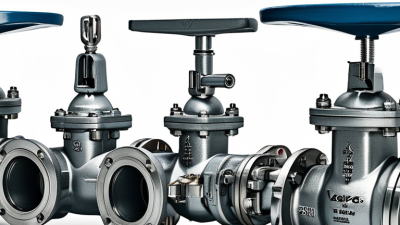
China Top Through Valve Manufacturers for Global Buyers

Choosing a reliable through valve manufacturer in China requires more than comparing factory prices. Global buyers need evidence, process knowledge, and dependable communication.

A through valve may look simple on a piping drawing. In service, however, body material, seat design, pressure rating, and machining accuracy affect performance. A poorly selected valve can create leakage, flow resistance, or difficult maintenance. Small details matter.

Valve specialist and process-control author Béla G. Lipták once noted, “The control valve is the final control element in a process control loop.” His observation remains useful for buyers reviewing Chinese suppliers. The valve is not an isolated component. It connects equipment, operators, maintenance teams, and production targets.

This guide examines China’s leading through valve manufacturers through practical criteria. These include manufacturing experience, material traceability, pressure testing, inspection procedures, customization capability, and export support. It also considers whether a supplier can provide clear drawings, test certificates, dimensional data, and responsive technical answers.

Look beyond polished websites.

A factory visit, video audit, or sample inspection can reveal important facts. Observe machining areas, assembly benches, storage conditions, and testing equipment. Ask how workers identify castings and control nonconforming parts. Some suppliers provide impressive documents but weak follow-up. That gap deserves attention.

No ranking is perfect. Manufacturing capacity can change, and one buyer’s ideal supplier may not suit another project. Therefore, this overview offers a careful starting point rather than a final verdict. Buyers should confirm current certifications, product specifications, and delivery commitments directly with each manufacturer before placing an order.
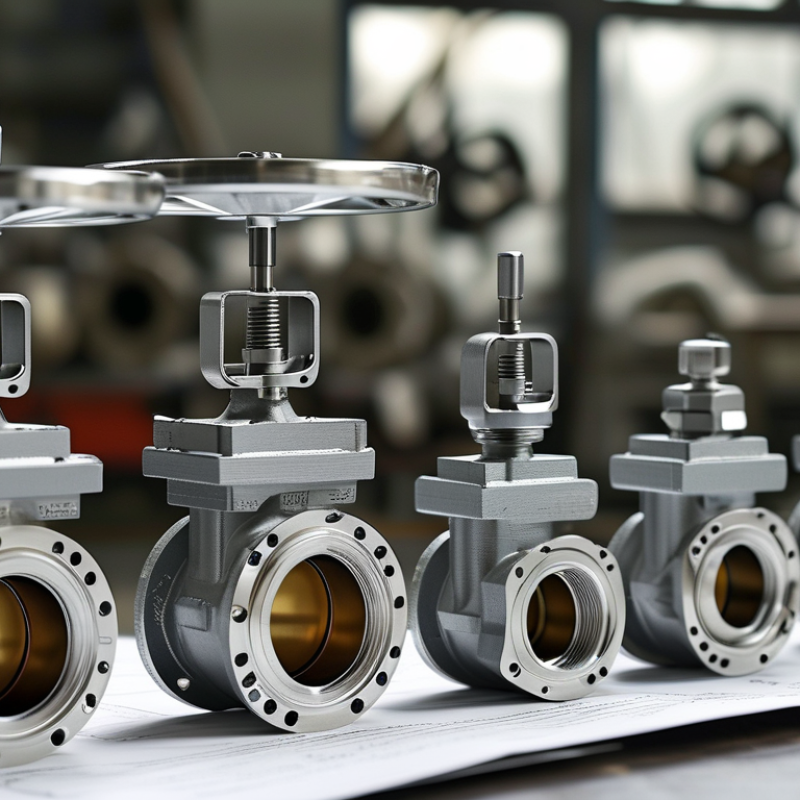
China Top Through Valve Manufacturers for Global Buyers

What Through Valves Are and Why Global Buyers Source Them from China

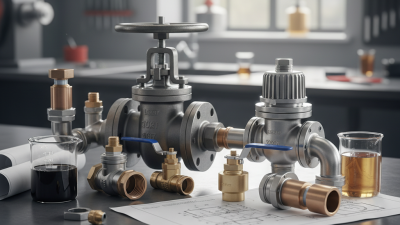
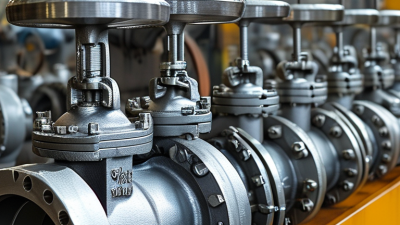
Through valves create a nearly straight flow path through the body, reducing turbulence and pressure loss. Their full-bore design helps fluids pass with fewer internal restrictions. Many industrial systems use them for pipelines, water treatment, power equipment, and process plants. Their performance depends on more than size. Body material, sealing design, pressure class, temperature range, and end connections must match the application.

Global buyers often source through valves from China because China has a broad manufacturing network. Foundries, machining workshops, seal suppliers, and testing facilities are often located within one supply chain. This can support competitive pricing, flexible quantities, and customized drawings. However, a low quotation is not proof of quality. It may exclude testing, documentation, or corrosion protection. Experienced procurement teams review material certificates, dimensional reports, pressure-test records, and traceability before approval. Factory audits also reveal practical details, such as storage conditions and calibration habits. These details are easy to overlook.

Tips: Share clear drawings and service data before requesting prices. Confirm pressure, temperature, medium, connection standards, and inspection requirements. Request sample records, not only product photos. Ask how defects are handled. A supplier’s answer can be more valuable than a polished catalog. Allow time for independent inspection, because even a capable factory can make an occasional mistake.

Key Selection Criteria for China’s Leading Through Valve Manufacturers

China Top Through Valve Manufacturers for Global Buyers

Selecting China’s leading through valve manufacturers requires more than comparing prices. Experienced buyers examine pressure ratings, bore design, sealing performance, and material compatibility. A reliable manufacturer should provide clear drawings, inspection records, and traceable material certificates. Look for quality systems aligned with recognized standards, such as ISO 9001, API, or applicable regional requirements. Certification alone is not proof of consistent production. Factory evidence matters more.

Ask how each supplier manages casting, machining, assembly, and pressure testing. Through valves used in pipelines need smooth internal passages and dependable shutoff under demanding conditions. Request test videos, sample reports, and documented acceptance procedures. Check whether the engineering team can adapt dimensions, end connections, coatings, or actuator interfaces. Communication is also important. Delayed technical answers often signal future project friction. I may be wrong, but the cheapest quotation rarely reflects the full ownership cost.

Tips: Audit the factory remotely or in person. Compare inspection plans, not only brochures. Confirm lead times in writing. Request references from similar applications. Review spare-part support and warranty terms before ordering. Also, test one sample before approving a larger batch. This step can reveal machining marks, coating problems, or unclear documentation early. Even strong suppliers may have occasional defects, so an independent inspection can add useful confidence.

Major Manufacturing Regions and Industry Clusters in China

China’s through valve industry is organized around several manufacturing regions, each with distinct strengths. Zhejiang, especially Wenzhou and Yuhuan, is known for compact valve workshops, stainless steel machining, and flexible production. Many suppliers serve chemical, water treatment, food processing, and general industrial projects.

Jiangsu and Shanghai form another important manufacturing corridor. Facilities around Suzhou, Wuxi, and nearby cities often provide stronger engineering support, CNC machining, pressure testing, and documentation control. This region suits buyers requiring customized through valves, tighter tolerances, and more consistent inspection records. However, higher operating costs may affect smaller order pricing.

Northern clusters in Hebei and Shandong offer broad casting capacity and competitive costs. Their factories commonly produce carbon steel and ductile iron components for water, energy, and infrastructure applications. Visiting a workshop can reveal practical details that catalogs hide: uneven surface finishing, crowded storage areas, or unclear material markings. These signs do not always prove poor quality, but they require careful questioning.

Experienced buyers usually compare heat-treatment records, hydrostatic test procedures, coating methods, and traceability systems. A factory may claim export experience yet outsource critical machining. That is not automatically unacceptable, but the supplier should disclose it clearly. Regional reputation helps, though it cannot replace sample inspection, independent testing, and consistent communication.

How to Evaluate Quality, Certifications, and Customization Capabilities

China Top Through Valve Manufacturers for Global Buyers

A reliable through valve starts with evidence, not polished photographs. The ISO Survey 2023 recorded more than 1.2 million ISO 9001 certificates worldwide. That figure shows certification is common, but it does not prove every valve is suitable for your service. Ask for the certificate number, issuing body, validity dates, and covered production site. Check whether the scope includes valve design and manufacturing. For pipeline applications, review API 6D or equivalent requirements. ASME B16.34, EN 12266, and applicable pressure-testing standards may also matter. Request shell, seat, and low-temperature test records. Material certificates should identify heat numbers and support traceability.

Quality becomes clearer during a factory audit. Inspect machining surfaces, casting repairs, actuator alignment, and protective coatings. Verify that pressure gauges are calibrated. Ask to witness hydrostatic and seat-leakage tests. A small detail matters: the test medium, pressure, duration, and acceptance limit should appear on the report. A certificate alone can mislead. I have seen paperwork look complete while traceability stopped at the warehouse.

Customization should be measured against operating conditions. Provide pressure class, temperature range, medium, connection size, face-to-face length, actuator type, and fail-safe position. For corrosive service, ask for PMI results and coating thickness records. A capable manufacturer should submit drawings, datasheets, inspection plans, and change-control procedures before production. Customization is not unlimited. If a supplier accepts every request without questioning velocity, cavitation, or material compatibility, treat that as a warning. Sometimes, the best answer is a carefully explained refusal.

Steps for Comparing Suppliers, Pricing, Lead Times, and Export Support

China Top Through Valve Manufacturers for Global Buyers

Comparing through valve suppliers requires more than checking unit price. Request identical specifications, including pressure class, body material, end connections, testing standard, and coating. A lower quote may exclude inspection, export packing, or inland transport. Calculate landed cost instead. Include tooling, certificates, duties, insurance, and ocean freight. UNCTAD’s Review of Maritime Transport reports that over 80% of global merchandise trade moves by sea. Freight planning directly affects the final purchase price.

Lead time needs written detail. Ask for raw material availability, production capacity, testing dates, and shipping schedules. A credible supplier should separate manufacturing time from transit time. Require a sample production plan with inspection points. The World Bank’s Logistics Performance Index 2023 evaluates customs, infrastructure, shipment arrangements, logistics competence, tracking, and timeliness. These factors matter when comparing export support, not just factory promises. Request mill certificates, pressure-test records, packing photos, commercial invoices, and country-of-origin documents.

Small details reveal practical experience. Check whether valve markings match drawings before shipment. Confirm wooden cases meet destination import requirements. Ask who handles unexpected port delays. Do not rely on attractive certificates alone. Verify scope, issuing body, and document consistency. No comparison sheet is perfect. I would leave room for inspection findings, currency changes, and schedule risk. Some suppliers answer quickly but vaguely; others provide slower, measurable replies. That difference deserves weight in the final evaluation.

China Top Through Valve Manufacturers for Global Buyers - Steps for Comparing Suppliers, Pricing, Lead Times, and Export Support

Comparison basis: The figures below are indicative China export-market benchmarks for industrial through valves and are intended for initial supplier screening. Final prices, certifications, lead times, and shipping terms should be confirmed by a written quotation and technical data sheet.
Anonymous Supplier Profile Typical Product Scope Common Size and Pressure Range Typical Materials Typical MOQ Indicative FOB China Price Sample Lead Time Production Lead Time Export Support
Profile A
Standard catalog producer
Forged or cast through-conduit gate valves; manual and gear-operated options DN50–DN600
Class 150–600
Carbon steel, stainless steel, low-temperature carbon steel 1–5 units for standard models US$180–US$3,800 per valve 7–15 calendar days 25–45 calendar days Commercial invoice, packing list, certificate of origin, basic export documentation
Profile B
Oil and gas focused producer
Pipeline gate valves, expanding gate valves, through-conduit designs, actuator-ready assemblies DN50–DN900
Class 150–1500
Carbon steel, forged steel, 13Cr stainless steel, duplex stainless steel 1–3 units for project quotations US$450–US$12,000 per valve 10–20 calendar days 35–65 calendar days API-related documentation support, inspection coordination, export packing, freight-forwarder coordination
Profile C
Forged-valve specialist
Compact forged through valves for high-pressure oil, gas, steam, and chemical service DN15–DN100
Class 600–2500
A105N, F316/F316L, F22, alloy steel, nickel-alloy trim 5–10 units for repeat models US$120–US$2,200 per valve 7–18 calendar days 30–55 calendar days Material test reports, heat-number traceability, third-party inspection coordination
Profile D
Large-diameter project producer
Large-bore cast or forged through-conduit gate valves for transmission pipelines and terminals DN300–DN1200
Class 150–900
WCB, LCC, stainless steel, corrosion-resistant overlay materials 1 unit for engineered projects US$3,500–US$28,000 per valve 15–30 calendar days 60–100 calendar days Project drawings, lifting and packing plans, inspection test plans, container-loading support
Profile E
Stainless and corrosive-service producer
Stainless steel and duplex through valves for chemical, marine, water-treatment, and corrosive applications DN25–DN500
Class 150–600
CF8M, CF3M, duplex, super duplex, alloy trim 1–5 units depending on material grade US$350–US$9,500 per valve 12–25 calendar days 40–75 calendar days Material certificates, PMI coordination, surface-finish records, export packing and labeling
Profile F
OEM and customization-oriented producer
Private-label, customized face-to-face dimensions, special end connections, actuator integration DN50–DN800
Class 150–1500
Carbon steel, stainless steel, duplex, customer-specified alloys 10–25 units for customized production US$250–US$15,000 per valve 15–30 calendar days 45–90 calendar days OEM drawings, logo and nameplate support, customized inspection plans, multilingual shipping documents
Recommended Supplier Comparison Steps
Step Evaluation Dimension What to Verify Suggested Weight
1 Technical compliance Valve type, nominal size, pressure class, temperature range, end connection, bore design, materials, trim, and applicable standards such as API 6D, ASME B16.34, or API 598. 30%
2 Total landed cost Compare the same Incoterm, currency, quantity, material grade, inspection level, actuator package, packaging, freight, insurance, duties, and destination charges. 20%
3 Lead-time reliability Confirm approval time, raw-material availability, machining capacity, testing schedule, inspection hold points, and the definition of “ready for shipment.” 15%
4 Quality assurance Review quality certificates, pressure-test records, material traceability, coating or overlay procedures, calibration records, and nonconformance handling. 20%
5 Export and after-sales support Check export experience, document accuracy, packing quality, spare-parts availability, warranty terms, response time, and support for third-party inspections. 15%

Pricing note: Indicative FOB ranges vary significantly with size, pressure class, body and trim materials, design standard, actuator requirements, coating, testing, quantity, and inspection scope. Prices shown are screening ranges rather than binding offers.

×
img

    Contact Info

    Phone number

    661-392-8948

    Address info

    3451 Pegasus Drive, Bakersfield, CA USA