How to Choose the Best Steel Valves for Your Project?
Choosing the right steel valves is crucial for any project in the industrial sector. According to John Smith, a leading expert in valve manufacturing, “Selecting the right steel valve can make all the difference in performance.” In an industry where precision matters, understanding the specifics is essential.
Steel valves come in various types and specifications. Each type serves a unique purpose. For example, gate valves, globe valves, and ball valves all perform differently depending on the application. Mistakes in selection can lead to operational failures or increased maintenance costs.
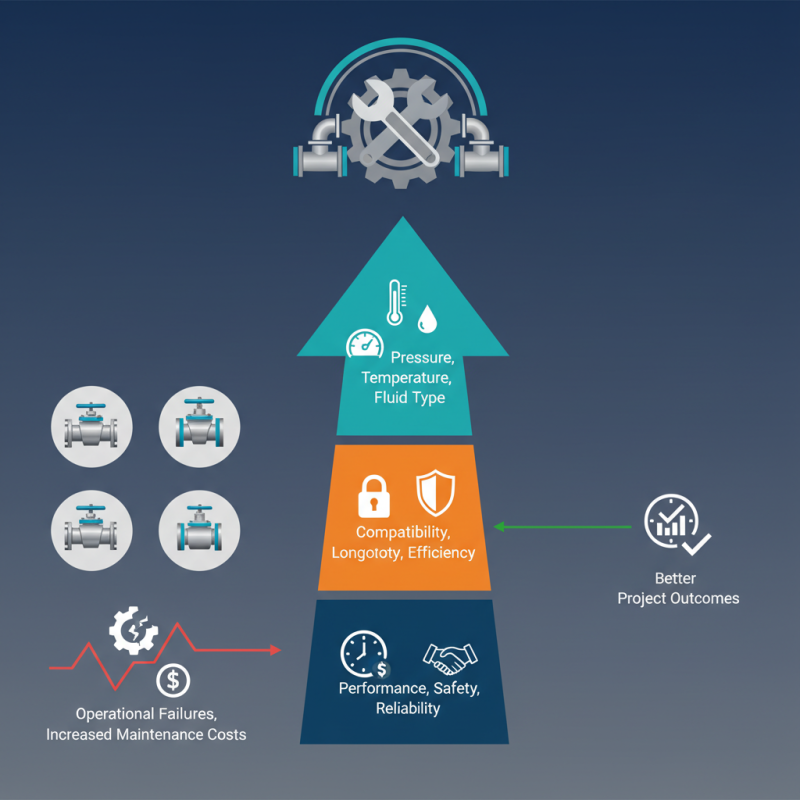
Investing time in understanding steel valves ensures better project outcomes. Evaluate your project's needs carefully. Consider factors like pressure, temperature, and fluid type. Ensuring compatibility is vital for longevity and efficiency. Each choice impacts performance and safety. The wrong valve can cost more than just money; it can cost time and reliability.
Understanding the Different Types of Steel Valves Available
When selecting steel valves for your project, understanding the diverse types available is crucial. Steel valves come in various forms, such as gate, globe, ball, and butterfly valves. Each type has its specific applications, so awareness of their functions helps in making the right choice.
Gate valves are generally used for on/off applications, making them ideal for blocking flow. Meanwhile, globe valves excel in regulating flow. According to a recent industry report by Market Research Future, the global valve market is projected to reach USD 100 billion by 2025, indicating a growing demand for these critical components.
Tips: Always consider the operating pressure and temperature when choosing valves. The material properties of steel, including tensile strength and corrosion resistance, are essential for durability. Misjudging these factors can lead to valve failure, which can incur additional costs and delays.
Ball valves are known for their quick operation and low friction. These are suitable for high-pressure systems. However, they might not handle flow regulation as effectively as globe valves. Assessing project needs thoroughly ensures proper valve selection. Remember, the wrong choice can lead to inefficiencies or safety hazards.
How to Choose the Best Steel Valves for Your Project?
| Type of Steel Valve |
Description |
Applications |
Pressure Rating (psi) |
Temperature Range (°F) |
| Gate Valve |
Used for on/off control, allowing fluid flow when fully opened. |
Pipelines for water, oil, and gas. |
150 - 600 |
-20 to 350 |
| Globe Valve |
Regulates flow in a pipeline; has a spherical body. |
Water treatment plants, cooling systems. |
150 - 300 |
-10 to 400 |
| Ball Valve |
Provides quick shut-off with minimal flow restriction. |
Industrial applications, plumbing systems. |
150 - 900 |
0 to 400 |
| Check Valve |
Allows flow in one direction, preventing backflow. |
Pumping systems, water supply lines. |
150 - 600 |
-10 to 300 |
| Butterfly Valve |
Used for isolating or regulating flow, features a rotating disc. |
HVAC systems, water distribution. |
150 - 400 |
-20 to 250 |
Key Factors to Consider When Selecting Steel Valves
Choosing the right steel valve requires careful attention to material compatibility and pressure ratings. Steel valves come in various grades, each suited for different environments. For example, stainless steel offers excellent corrosion resistance in harsh conditions. However, not all stainless steels perform equally under stress. Understanding the operational temperature and pressure helps in selecting valves that avoid premature failure.
Another important factor is the valve design and type. Ball valves provide quick shutoff but might not be ideal for throttling. Gate valves handle flow control better but are slower to operate. Sometimes, the simplest choice leads to unexpected maintenance issues later. It’s important to evaluate how the valve will integrate with existing systems and consider ease of installation.
Maintenance requirements should not be overlooked. Some valves require more frequent inspection and lubrication. Accessibility plays a role, especially in complex piping layouts. One might underestimate the effort needed to keep the valves functioning over time. Even experienced engineers often revisit their initial choices after facing real-world challenges.
Evaluating the Quality and Durability of Steel Valves
When evaluating the quality and durability of steel valves, focus on several key features.
Material composition plays a critical role. High-grade stainless steel offers excellent
corrosion resistance. This is essential for environments with chemicals or extreme temperatures. Valve design also matters.
Look for features like thick body walls and robust seating surfaces. These components often indicate a valve's long-term dependability.
Testing the valve's performance is another important aspect. This can include pressure tests, thermal cycles, and fatigue testing. Data from these
tests reveal how well the valve can withstand conditions over time. However, not all manufacturers provide complete information.
Transparency is crucial. It’s easy to overlook specifications, but this can lead to uninformed decisions.
Consider the environmental context of your project. Different applications may require specific valve qualities. A worksite near salty ocean air
might need valves with exceptional anti-corrosion properties. Be cautious with choices. If you're not sure, consulting with experienced
professionals can prevent costly mistakes. Not every valve is designed for every situation. Make informed decisions
to enhance the durability and performance of your system.
Assessing the Cost-Effectiveness of Steel Valves for Your Project
When assessing the cost-effectiveness of steel valves for your project, several factors come into play. Steel valves are known for their durability and strength. They can handle high-pressure environments, which is crucial for industrial applications. However, the initial purchase cost can be significant. This expense may deter some buyers initially.
Suitability for specific applications is essential. A cheaper alternative may seem tempting. Yet, if it fails prematurely, costs can skyrocket due to replacements and downtime. Over the long term, investing in quality steel valves often yields better return on investment. Unforeseen maintenance costs can arise from using inferior materials.
It's important to analyze the project's specific needs. Not all steel valves will meet the required specifications. Talk to industry experts to gain insights on performance and longevity. Keep in mind that some suppliers may prioritize profit over quality. In this competitive landscape, doing diligent research empowers you to make informed decisions.
Cost-Effectiveness of Different Steel Valve Types
Ensuring Compatibility with Your Project's Specifications and Needs
Choosing the right steel valves for your project is crucial. Compatibility with your specifications ensures both safety and performance. According to a report by the Valve Manufacturers Association of America, incorrect valve selection can lead to significant project delays and increased costs.
Consider working pressures and environmental factors. Different steel grades serve unique functions. For instance, low-carbon steels are optimal for moderate pressures but may fail in harsher conditions. A 2022 industry survey found that 30% of projects faced issues due to mismatched valve materials. This indicates the importance of aligning specifications with actual project needs.
Review the valve's design and application requirements. Different environments demand distinct features. A valve used in corrosive settings should offer protection against rust. Noting that 25% of failures stem from this oversight highlights the need for careful assessment. Choosing a valve isn't just a selection process; it's a critical decision that will impact overall project integrity.
 (780) 669-9420