
Blog
- Home
- Blog
How to Choose CFRP Roughing Cutters for Global Sourcing?
Global sourcing Cfrp Roughing Cutters requires more than comparing prices and catalog specifications. Carbon fiber reinforced polymer varies by fiber direction, resin system, laminate thickness, and cure quality. A cutter that performs cleanly on a flat panel may create fuzzing, delamination, or rapid edge wear on a curved aerospace component. The purchasing decision must begin with the workpiece, not the supplier’s product name.
Professor Shreyes Melkote, a recognized machining researcher, has stated, “Composite cutting is a process of managing damage, not merely removing material.” This principle remains practical during supplier evaluation. Check the cutter’s diamond coating, flute design, helix angle, substrate, and measured runout. Ask for cutting data based on your actual CFRP grade. Request sample parts, microscope images, tool-life records, and dust-control recommendations. Small details matter. A 0.01-millimeter runout can change the result.
Reliable global sourcing also depends on evidence beyond technical claims. Review inspection reports, coating consistency, batch traceability, packaging quality, and replacement lead times. Compare total operating cost, including rejected parts and machine downtime. Supplier communication deserves testing, too. Send the same drawing and cutting conditions to several manufacturers. Their questions may reveal their expertise.
There is no perfect cutter for every laminate. That assumption is risky. A trial may expose unexpected fiber pullout or unstable chip evacuation. Good sourcing leaves room for adjustment. Select Cfrp Roughing Cutters through verified performance, disciplined sampling, and honest review of what failed. That approach is slower initially, but often safer and more economical across international supply chains.
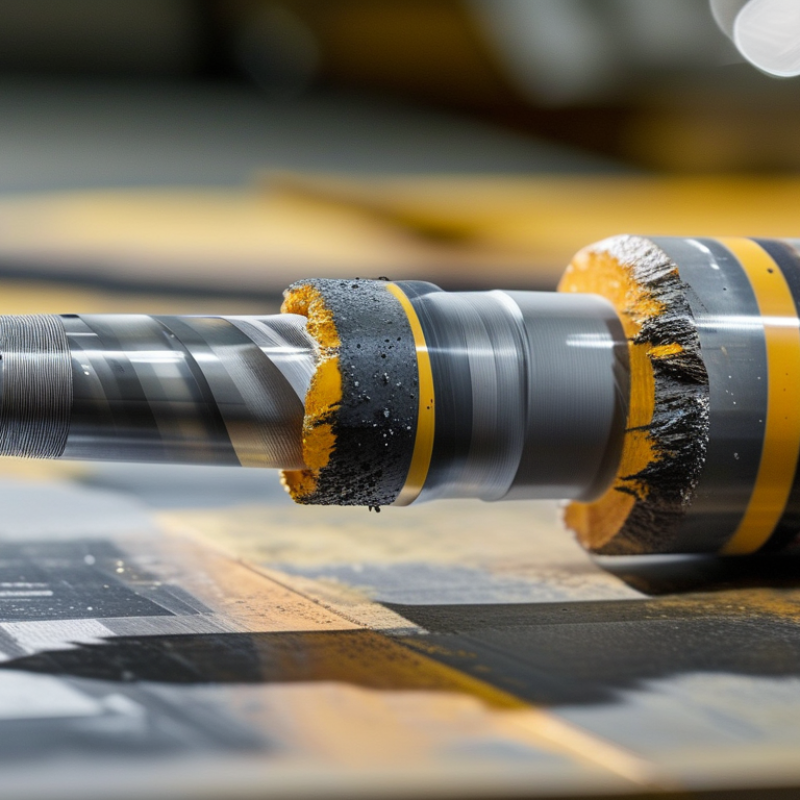
Define CFRP Roughing Needs: 50–65% Fiber Volume and Abrasive Dust
Choosing CFRP roughing cutters starts with the laminate, not the catalog. A fiber volume of 50–65% creates a hard, abrasive cutting environment. Carbon fibers can wear ordinary carbide edges quickly. The resin may soften under heat, while dry dust spreads across the machine enclosure. Treat these as separate risks.
For global sourcing, define the workpiece before requesting quotations. Record fiber volume, laminate thickness, layup direction, resin type, and target stock removal. Specify cutter diameter, flute count, helix angle, edge preparation, and allowable runout. A diamond-based cutting edge can improve wear resistance, but it still needs suitable geometry. Too many flutes may trap dust and raise cutting temperature. Fewer flutes can improve chip space, though the surface may become less uniform.
In practical trials, use a rigid holder, strong vacuum extraction, and stable workholding. Check the cut after several passes, not only after the first component. Measure edge wear, burr height, delamination, and dust accumulation inside the tool. Supplier data often looks precise, but laminate behavior can vary between batches. I once underestimated this variation and selected a cutter that performed well on thin panels, then struggled on thicker stacks. That mistake changed my sourcing checklist. Ask for test evidence using similar CFRP, not generic composite samples. Keep spindle speed, feed rate, and axial engagement adjustable during validation. Short trials reveal much. Suppliers who document these details are easier to evaluate across regions.
Specify Cutter Geometry: 2–4 Flutes, 6–12 mm Diameter, and Chip Evacuation
For global sourcing, define cutter geometry before comparing prices or delivery dates.
A practical starting range is two to four flutes and a 6–12 mm diameter. Two-flute cutters provide wider chip channels and suit dusty, high-volume CFRP roughing. Three or four flutes can improve cutting stability, but they demand stronger chip evacuation. Do not assume more flutes means better results.
Diameter should match the machine, wall thickness, and corner access. A 6 mm cutter reaches narrow features and reduces cutting load. An 8–10 mm cutter usually offers better rigidity for deeper pockets.
A 12 mm tool removes material faster, yet it can overload thin laminates. Keep radial engagement controlled. Listen for changes in spindle load.
CFRP produces abrasive dust and sharp chips, so evacuation needs deliberate design. Open flute spaces, suitable helix geometry, and effective vacuum extraction help protect the cutting zone.
An upcut form may clear chips efficiently, while a compression-style edge can reduce surface breakout in some panels. Test both when the laminate structure varies.
Pictures are not enough. Request geometry drawings, runout data, edge preparation details, and sample-cut results from suppliers.
In one sourcing project, I chose a cutter with an attractive price but weak batch consistency. That was a mistake.
A short trial cut revealed uneven wear after only a few panels.
Record tool life, edge quality, dust behavior, and dimensional change before approving production quantities.
Compare Carbide, PCD, and Diamond-Coated Tools for CFRP Roughing
How to Choose CFRP Roughing Cutters for Global Sourcing?
CFRP demand is expanding quickly. MarketsandMarkets projects the carbon-fiber-reinforced polymer market to grow at about 8% annually through 2030. That growth increases pressure on roughing tools. Carbide cutters offer the lowest entry cost and broad availability. They suit short runs, softer laminates, and frequent tool changes. However, abrasive carbon fibers can wear their edges quickly. Frayed fibers may appear around the exit hole.
PCD cutters usually deliver longer life and cleaner edges. A 2023 review in the Journal of Manufacturing Processes identifies abrasive wear as a major CFRP machining failure mode. PCD resists this wear better than conventional carbide. Its higher purchase price needs enough production volume to justify it. Check PCD grade, edge geometry, brazing quality, and repair options. Small differences matter.
Diamond-coated tools can balance cost and durability. Coating quality is critical. A thin or uneven layer may peel after a few panels. I would request coating-thickness records, cutting-test videos, and batch inspection data. Keep radial runout below 0.02 mm when possible. Use identical laminate samples for supplier trials. Measure tool life, delamination length, dust, and power consumption. These figures expose misleading quotations. The cheapest option can become expensive. Sometimes, carbide still wins. That depends on batch size, access to replacement tools, and acceptable edge damage.
How to Choose CFRP Roughing Cutters for Global Sourcing? — Compare Carbide, PCD, and Diamond-Coated Tools for CFRP Roughing
| Evaluation Dimension | Solid Carbide Cutter | PCD Cutter | Diamond-Coated Carbide Cutter | Global Sourcing Consideration |
|---|---|---|---|---|
| Tool construction | Solid tungsten carbide body with ground cutting edges. | Polycrystalline diamond segments brazed or mechanically fixed to a carbide body. | Carbide substrate with a deposited diamond coating, commonly applied by a CVD process. | Confirm substrate grade, edge preparation, coating or brazing method, and dimensional tolerances. |
| Typical CFRP roughing capability | Suitable for low-to-medium production volumes and applications requiring frequent tool changes. | Well suited to high-volume CFRP roughing and abrasive carbon-fiber laminates. | Suitable for medium-to-high production volumes when a lower initial cost than PCD is required. | Match the tool to laminate thickness, fiber orientation, resin system, and required production quantity. |
| Recommended cutting speed (initial range) | Approximately 150–400 m/min | Approximately 300–800 m/min | Approximately 250–600 m/min | These are starting ranges only; spindle power, tool diameter, tool geometry, and workholding can require adjustment. |
| Recommended feed per tooth (initial range) | Approximately 0.03–0.15 mm/tooth | Approximately 0.05–0.20 mm/tooth | Approximately 0.04–0.18 mm/tooth | Use a controlled chip load. Excessively low feed can cause rubbing and heat; excessive feed can increase edge chipping. |
| Typical roughing edge geometry | Helical flutes, serrated edges, variable pitch, or compression geometry. | PCD-tipped serrated, compression, or multi-edge roughing designs. | Diamond-coated serrated or compression designs with a wear-resistant edge. | For laminated panels, compression or balanced upcut/downcut geometry can help reduce delamination and burrs. |
| Wear resistance against carbon fiber | ★★☆☆☆ Moderate | ★★★★★ Very high | ★★★★☆ High | Carbon fiber is highly abrasive. Tool life depends strongly on fiber volume fraction, resin, cutting parameters, and chip evacuation. |
| Resistance to edge chipping | ★★★★☆ Good when the edge is properly prepared | ★★★☆☆ Medium; diamond segments can chip under impact | ★★★☆☆ Medium; coating damage may expose the carbide substrate | Specify edge hone, runout, minimum corner radius, and inspection criteria for chipped or missing cutting edges. |
| Heat and resin-management characteristics | Can generate more heat as wear progresses; sharp geometry and air blast are important. | Usually maintains a sharp abrasive-resistant edge, helping stabilize cutting forces. | Performs well when the coating is intact; excessive heat can accelerate coating degradation or resin smearing. | Use dry machining or approved air/MQL processes where appropriate, and verify compatibility with the resin system. |
| Relative initial tool cost | Low | High | Medium to high | Compare total cost per finished part rather than purchase price alone, including tool changes, downtime, and regrinding. |
| Potential cost per part in long runs | Medium to high | Low when properly applied | Low to medium | PCD or diamond-coated tools can be economically preferable when abrasive wear causes frequent carbide replacement. |
| Regrinding and refurbishment | Generally straightforward when sufficient carbide remains. | Possible, but requires specialized PCD reconditioning and accurate segment restoration. | Usually limited; recoating may be required after significant coating wear. | Before ordering, confirm regrinding availability, acceptable dimensional loss, lead time, and inspection procedures. |
| Sensitivity to interrupted cuts | ★★★★☆ Good | ★★★☆☆ Medium; avoid severe impact loading | ★★★☆☆ Medium; coating and edge integrity are critical | For fixtures with gaps, fasteners, or variable laminate thickness, prioritize edge toughness and balanced tool runout. |
| Chip evacuation requirement | High; flute design and air blast should prevent recutting of abrasive dust. | High; use efficient dust extraction and avoid recutting carbon-fiber particles. | High; coating life can be reduced by heat and abrasive particle recutting. | Specify dust-extraction compatibility, flute volume, coolant restrictions, and operator safety requirements. |
| Best-fit sourcing scenario | Prototype work, mixed part sizes, low-volume production, and cost-sensitive purchasing. | Stable high-volume production, long cutting paths, and demanding tool-life targets. | Medium-to-high volume production requiring a balance between wear resistance and initial investment. | Request sample tools and a controlled cutting trial before approving large-volume procurement. |
| Key quality documents to request | Carbide grade, hardness or transverse rupture data, geometry drawing, runout report, and inspection record. | PCD grit size, diamond-layer thickness, segment attachment method, geometry drawing, and runout report. | Coating type, coating thickness range, adhesion or coverage inspection, substrate grade, and runout report. | Use a common technical drawing and acceptance standard for all potential suppliers to make quotations comparable. |
| Recommended selection priority | Choose when flexibility, low entry cost, and easy replacement are more important than maximum tool life. | Choose when long tool life, stable dimensions, and minimum tool-change downtime dominate the business case. | Choose when high wear resistance is needed but the application does not justify the highest initial investment. | Make the final decision using cost per part, verified tool life, surface quality, burr level, and delivery capability. |
Data status: Cutting-speed and feed values are practical starting ranges for CFRP roughing, not universal limits. Actual results depend on tool diameter, flute count, laminate construction, fiber direction, resin chemistry, machine rigidity, spindle runout, and workholding.
Important sourcing note: Always validate the selected tool through a documented cutting trial using the actual CFRP material and production machine. Measure tool wear, burrs, delamination, surface quality, cutting temperature, and cost per finished part.
Set Cutting Targets: 100–300 m/min Speed and 0.05–0.20 mm/tooth Feed
How to Choose CFRP Roughing Cutters for Global Sourcing?
Choosing a CFRP roughing cutter starts with a measurable cutting window, not a catalog promise. Set an initial cutting speed of 100–300 m/min and feed of 0.05–0.20 mm/tooth. These figures support controlled trials, but they are not universal limits. Laminate thickness, fiber direction, resin content, and cutter diameter can change performance. A smaller cutter reaches higher spindle speed at the same surface speed. Calculate RPM from diameter before approving a purchase.
For example, a 10 mm cutter at 200 m/min runs near 6,366 rpm. A four-tooth cutter at 0.10 mm/tooth needs about 2,546 mm/min feed.
This shared baseline helps suppliers quote consistently. Request data on runout, cutting-edge geometry, balance quality, and chip evacuation. CFRP dust is abrasive and unsafe to breathe. Use effective extraction and suitable workplace controls.
During trials, inspect delamination, fiber fuzzing, resin smearing, heat marks, noise, and spindle load. A common mistake is reducing feed too far. The cutter may rub instead of cutting. I would change only one setting at a time. The first result may be wrong. That is useful evidence.
Record the laminate layup, tool diameter, speed, feed, flute count, and tool life. For global sourcing, compare sample lots and inspection records, not only unit prices. A stable 100–300 m/min and 0.05–0.20 mm/tooth window is more valuable than an impressive claim without test evidence.
Qualify Suppliers with ISO 9001, ≤20 μm Runout, and Tool-Life Data
Choosing CFRP roughing cutters for global sourcing requires more than comparing prices. Start with supplier qualification. An ISO 9001 certificate shows controlled processes, but it does not prove cutting performance. Ask for the supplier’s certification scope, issuing body, and recent audit status. Request inspection records for the actual cutter batch. Good paperwork is useful. It is not enough.
For CFRP, edge geometry, diamond coating consistency, and runout affect fiber breakout and dust generation. Specify runout at or below 20 μm, measured at a stated gauge length. Ask whether the measurement uses calibrated equipment. Require readings from multiple tools, not one perfect sample. During incoming inspection, mount a cutter in the intended holder and check radial runout again. Shipping and clamping can change results. That detail is easy to miss.
Tool-life data should reflect your laminate, feed rate, spindle speed, and depth of cut. Request test logs showing cutting length, flank wear, burr formation, and failure criteria. Photos help, but raw measurements are stronger. Compare at least three production batches when possible. A supplier may report impressive cutting distance from a thin panel. That result may not transfer to thick laminates. Run a small controlled trial before placing a large order. Keep rejected samples. They often reveal patterns later. Even experienced buyers can overvalue a clean certificate and undervalue inconsistent edge quality.
(780) 669-9420