How to Choose the Right Drip Hose for Your Farm?
Choosing the right Drip Hose can determine whether water reaches every plant or disappears into dry soil. On a working farm, this decision affects yield, labor, energy use, and crop consistency. The hose may look simple, yet its wall thickness, emitter spacing, flow rate, pressure range, and filtration needs require careful evaluation.
The Food and Agriculture Organization reports that agriculture accounts for roughly 70% of global freshwater withdrawals. Its reports also emphasize improving irrigation efficiency as water pressure increases. The USDA’s Farm and Ranch Irrigation Survey shows that irrigation equipment choices vary widely by crop, region, and farm size. These findings suggest that no single Drip Hose suits every field. A vegetable grower may need closely spaced emitters for shallow roots. An orchard may require stronger tubing and wider spacing around established trees.
Start with the soil. Sandy ground drains quickly and may need frequent, low-volume applications. Clay soil holds water longer but can develop runoff when pressure is excessive. Measure the field length, slope, available pressure, and water quality before comparing prices. A proper filter matters, especially when surface water carries fine sediment.
Small details matter.
Experience also exposes a less comfortable truth: a hose can perform well in testing but fail after one hot season, careless installation, or poor flushing. Manufacturer specifications are useful, not infallible. Therefore, compare independent agricultural guidance, local field experience, and maintenance requirements before purchasing. The best Drip Hose is not simply the cheapest or thickest option. It is the one that delivers steady moisture, survives your conditions, and remains manageable when the harvest schedule becomes demanding.
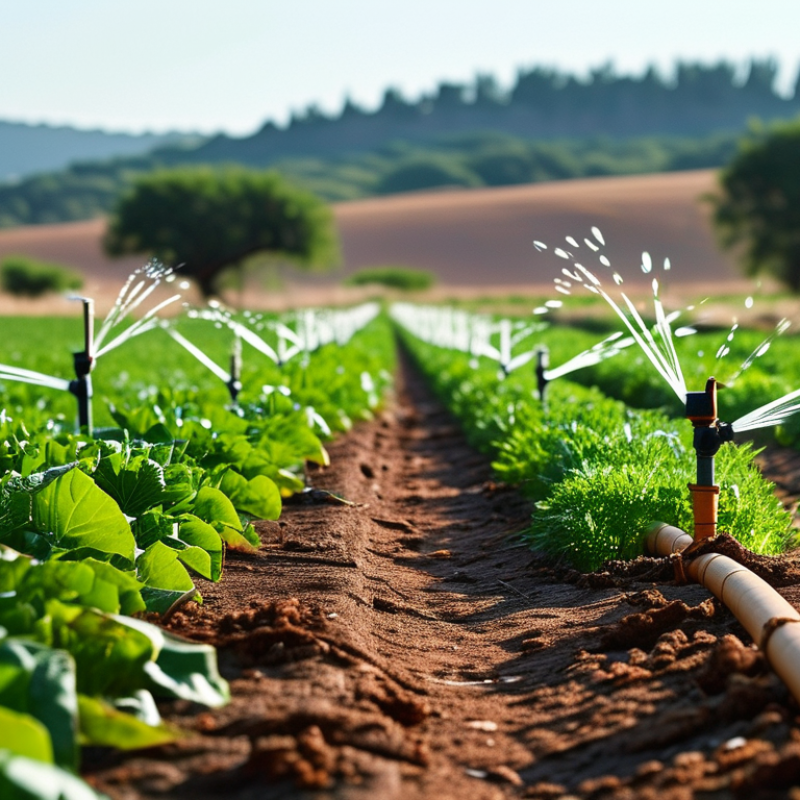
Understanding Drip Hose Types and Their Farm Applications
Choosing the right drip hose starts with understanding its type and field application. Thin-wall drip tape suits seasonal vegetables, berries, and short crop cycles. It is light, affordable, and easy to install. However, sharp stones or repeated handling can damage it. Thick-wall drip hose lasts longer and fits orchards, vineyards, and permanent beds. For sloping fields, pressure-compensating emitters can deliver more even flow. Standard emitters may work well on flat ground, but performance can vary across long rows.
Emitter spacing also matters. Closely spaced emitters suit lettuce, onions, and dense vegetable beds. Wider spacing supports tomatoes, melons, and fruit trees with larger root zones. Check the soil before choosing. Sandy soil needs frequent water delivery because moisture moves downward quickly. Clay soil needs slower application to reduce puddling. A simple pressure gauge and proper filtration are essential. Small particles can block emitters before the problem becomes visible.
Tips: Match hose flow to your pump and row length. Test one row before installing the whole field. Watch the first and last emitters. Their output should be reasonably similar. Clean filters regularly, especially after muddy irrigation. Do not bury thin hose deeper than necessary. I have seen growers choose by price alone, then replace damaged lines mid-season. That decision saves money only on paper. Recheck your spacing, pressure, and soil conditions each season. Farms change, and last year’s setup may not fit this year’s crop.
How to Choose the Right Drip Hose for Your Farm?
Understanding drip hose types and their farm applications helps match emitter spacing and flow rate to crop layout, soil conditions, and irrigation requirements.
How to read the chart: Closely spaced emitters are generally suitable for vegetables and greenhouse crops, while wider spacing is commonly used for orchards and widely spaced row crops. Higher emitter flow rates can reduce irrigation time but may require adequate filtration, pressure regulation, and water supply capacity.
Assessing Crop, Soil, and Irrigation Requirements
How to Choose the Right Drip Hose for Your Farm?
Assessing Crop, Soil, and Irrigation Requirements
The right drip hose begins with the crop, not the hose itself. Check root depth, plant spacing, and water demand during peak growth. Leafy vegetables often need closely spaced emitters for steady moisture. Young trees usually require fewer outlets with higher flow. Walk the rows. Uneven plant growth may reveal poor spacing or pressure problems.
Soil texture changes the watering pattern. Sandy soil drains quickly, so low-flow emitters may need shorter, more frequent cycles. Clay soil holds water longer and can become saturated near each outlet. Loam offers a useful balance, but field testing still matters. Dig below the surface after irrigation. Moisture should reach the active roots, not remain in a shallow wet spot.
Water quality also affects hose selection and service life. Test for sediment, salts, and biological growth before installation. Use suitable filtration and flush the lines regularly. Measure pressure at the hose entrance and far end. Sloping fields may need pressure-compensating emitters or separate irrigation zones. I once chose a hose from spacing alone. The plants looked healthy for two weeks. Then dry patches appeared at the row ends. That mistake taught me to measure the whole system, not just inspect its specifications. Seasonal crop changes may also require adjustable schedules rather than a permanent setting.
How to Choose the Right Drip Hose for Your Farm? - Assessing Crop, Soil, and Irrigation Requirements
| Crop or Farm Application | Typical Rooting Depth | Preferred Soil Texture | Recommended Emitter Spacing | Typical Emitter Flow | Suggested Hose Diameter | Starting Operating Pressure | Recommended Irrigation Approach |
Leafy greens
Lettuce, spinach, herbs | 20–40 cm | Loam to sandy loam | 10–20 cm | 0.5–1.0 L/h | 16 mm | 0.7–1.0 bar | Use closely spaced emitters and short, frequent irrigation cycles to maintain even surface moisture. |
| Strawberries | 20–35 cm | Well-drained sandy loam | 15–20 cm | 0.5–1.0 L/h | 16 mm | 0.7–1.0 bar | Place one line near each crop row; avoid prolonged saturation around the crown. |
| Tomatoes and peppers | 40–60 cm | Loam, sandy loam, or amended clay loam | 20–30 cm | 1.0–1.6 L/h | 16–20 mm | 0.8–1.2 bar | Use pressure-compensating emitters on long rows or uneven ground for more uniform delivery. |
| Cucumbers and melons | 30–60 cm | Sandy loam to loam | 20–30 cm | 1.0–2.0 L/h | 16–20 mm | 0.8–1.2 bar | Increase wetted width as vines develop; use mulch to reduce evaporation between irrigation cycles. |
| Onions and garlic | 30–45 cm | Sandy loam to silt loam | 10–20 cm | 0.5–1.0 L/h | 16 mm | 0.7–1.0 bar | Select close spacing for uniform bulb development and reduce irrigation near harvest when appropriate. |
| Maize and sweet corn | 60–100 cm | Loam to clay loam | 30–50 cm | 1.0–2.0 L/h | 16–20 mm | 0.8–1.2 bar | One line per crop row is common; irrigate more deeply and less frequently in heavier soils. |
| Orchards and vineyards | 60–150 cm | Well-drained loam to sandy loam | 30–60 cm between emitters | 1.6–4.0 L/h | 16–25 mm | 1.0–1.5 bar | Use one or more lines according to canopy size, tree age, soil wetting pattern, and seasonal demand. |
| Clay or heavy soil fields | Crop-dependent | Clay loam to clay | 30–60 cm | 0.5–1.6 L/h | 16–20 mm | 0.7–1.0 bar | Choose lower flow or longer spacing and apply water slowly to limit runoff, ponding, and waterlogging. |
Soil-Based Selection
Sandy soils usually need closer emitter spacing and shorter, more frequent irrigation. Clay soils generally benefit from lower application rates and longer intervals between irrigation events.
Filtration Requirement
Use filtration appropriate to the water source. Surface water commonly requires finer filtration and more frequent cleaning than clean groundwater.
System Verification
Confirm actual pressure and discharge at the beginning and end of the hose. Flush lines regularly and inspect emitters for clogging or uneven flow.
Note: The figures shown are practical starting ranges. Final hose selection and irrigation scheduling should be adjusted using crop growth stage, local weather, soil-water measurements, field slope, row length, and water quality.
Comparing Hose Materials, Diameters, and Emitter Spacing
How to Choose the Right Drip Hose for Your Farm?
Hose material affects durability, flexibility, and maintenance. Polyethylene hoses resist common fertilizers and remain flexible around crop rows. Choose thicker walls for rocky soil, repeated installation, or strong sunlight. Thin drip tape costs less, but it can tear during cultivation. I have seen a small cut drain an entire bed overnight. Material choice deserves more attention.
Diameter controls flow distance and pressure stability. A 16-millimeter hose suits many short vegetable beds. Longer rows may need 20 or 25 millimeters to reduce friction losses. Emitter spacing should match plant roots, not personal habit. Use 15–30 centimeters for closely planted vegetables. Larger spacing, around 30–60 centimeters, often fits orchards or widely planted crops. USDA’s 2018 Farm and Ranch Irrigation Survey recorded 55.9 million irrigated acres in the United States. Efficient layout matters at that scale. FAO AQUASTAT estimates agriculture uses about 70% of global freshwater withdrawals.
Tips: Test one representative row before buying everything. Measure pressure at the inlet and far end. Check flow from several emitters after flushing. Uneven flow may reveal poor filtration, elevation changes, or excessive row length. A pressure gauge helps. Do not trust the catalog alone. Field conditions are usually less tidy.
Checking Water Pressure, Filtration, and System Compatibility
How to Choose the Right Drip Hose for Your Farm?
Water pressure is the first practical check. Measure it at the hose inlet, not only near the pump. Many drip hoses operate around 0.7 to 1.0 bar, but the correct range depends on emitter design. Excess pressure can stretch tape, increase leakage, and create uneven flow. Low pressure may leave distant rows visibly dry. The USDA NRCS Irrigation Guide recommends pressure regulation and field testing because elevation and friction can change pressure across a system. A 10-meter rise can reduce pressure by roughly 1 bar. That difference is easy to underestimate.
Filtration protects narrow emitter passages from sand, algae, and organic debris. The FAO AQUASTAT database reports that agriculture uses about 70% of global freshwater withdrawals, making avoidable irrigation losses significant. A common starting point is a 120-mesh filter, but it should match the smallest emitter opening and water source. Well water, pond water, and surface canals need different treatment. Check filter capacity during peak flow. A filter that is too small may clog quickly. One that is too fine may increase pressure loss. It is not always obvious. Confirm hose diameter, connector size, pressure range, flushing method, and pump capacity together. The International Organization for Standardization’s irrigation standards also stress compatibility between components, yet farm layouts rarely behave perfectly. Test one row for a full irrigation cycle before purchasing the entire system.
 (780) 669-9420
