
Blog
- Home
- Blog
How to Choose the Right Machine Bolt for Your Project?
Choosing the right machine bolt is crucial for any project. These bolts come in various sizes, materials, and grades. Understanding the specific needs of your application will lead to better outcomes.
Machine bolts are often used in construction, machinery assembly, and automotive work. Selecting an appropriate bolt is essential for durability and safety. Consider the load requirements and environmental factors like moisture and temperature.
In some cases, it might feel overwhelming. With so many options, it's easy to make mistakes. Researching materials and standards can help. When all factors align, you create a project foundation built on reliability.
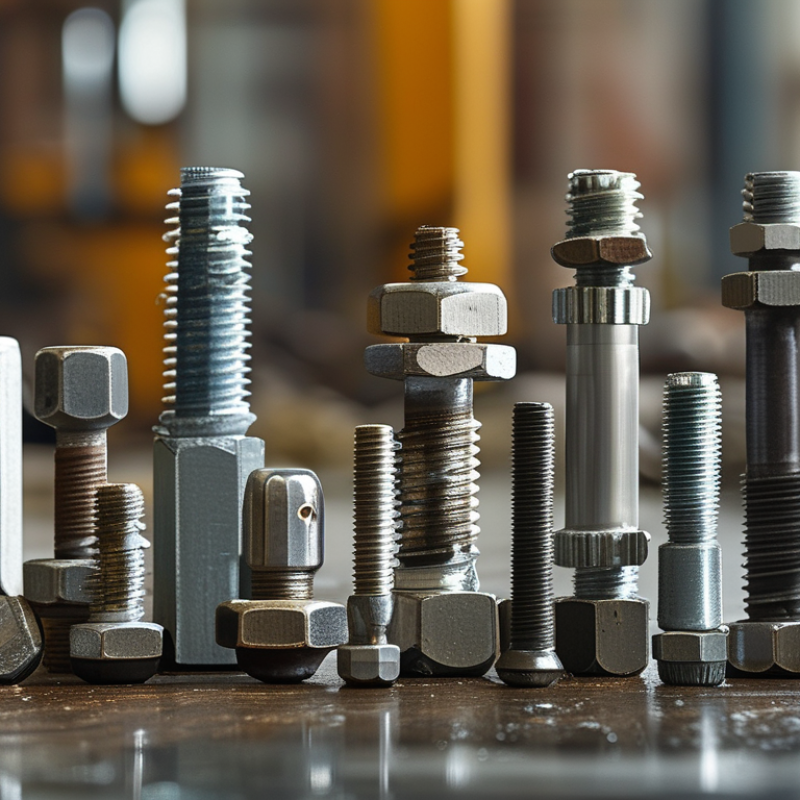
Understanding Different Types of Machine Bolts and Their Uses
Choosing the right machine bolt requires understanding the various types available. Each type serves a specific purpose and has unique characteristics. Hex bolts are popular for general assembly. They offer strength and versatility in construction. Carriage bolts have a rounded head, making them ideal for wooden applications. Their square neck prevents spinning, which ensures stability.
Shoulder bolts are another option worth considering. They have a smooth shoulder, allowing for rotation in machinery. If precision and movement are crucial, these bolts excel. Lag bolts are heavy-duty fasteners, perfect for securing wood to other materials. Their coarse threads provide a strong grip.
Each type of bolt has its limitations. For instance, using a lag bolt on metal may not yield desired results. You might struggle with fitting situations if bolts are misidentified. Always consider the material and requirements of your project. Understanding these details can lead to effective choices.
Assessing Load Requirements for Your Project's Application
When selecting the right machine bolt for your project, assessing load requirements is crucial. Load capacity significantly varies among bolt types, with tensile strength being a primary factor. Industry reports suggest that bolts with a tensile strength of at least 120,000 PSI are often used in high-stress applications. Understanding the specific loads your project will experience can lead to better material choices.
Consider dynamic loads carefully. These occur when forces are applied suddenly, such as in machinery or automotive applications. A bolt that can handle static loads might fail under dynamic conditions. In fact, according to engineering studies, using bolts that are not rated for dynamic loads led to a 30% increase in failure rates. The implications are clear: selecting a bolt without understanding load requirements can be risky.
Additional factors include potential torsional stresses and temperature variations. One report indicated that temperature fluctuations can reduce bolt strength by up to 15%. This is particularly relevant in environments exposed to extreme conditions. It’s important to evaluate the entire system, including surrounding materials, to avoid underestimating bolt requirements. Ignoring these factors can lead to project failures and costly repairs.
How to Choose the Right Machine Bolt for Your Project? - Assessing Load Requirements for Your Project's Application
| Application | Load Type | Bolt Diameter (mm) | Material | Tensile Strength (MPa) | Typical Applications |
|---|---|---|---|---|---|
| Construction | Static Load | 12 | Steel | 400 | Structural Steelwork |
| Automotive | Dynamic Load | 10 | Aluminum | 300 | Engine Components |
| Marine | Corrosive Environment | 14 | Stainless Steel | 520 | Boat Fixtures |
| Aerospace | High Strength | 8 | Titanium | 900 | Aircraft Frame |
| Manufacturing | Vibration | 16 | Carbon Steel | 350 | Machinery Assemblies |
Material Selection: Choosing the Right Steel or Alloy for Bolts
Choosing the right material for machine bolts is crucial. Steel is a popular choice due to its strength and durability. It can withstand significant loads. However, not all steel is created equal. Stainless steel, for example, offers excellent corrosion resistance. This makes it ideal for outdoor or marine applications.
Alloys can provide specific advantages too. For projects requiring lightweight yet strong bolts, titanium alloys are preferable. These offer superior strength-to-weight ratios. However, titanium can be more expensive. It's essential to assess the project's budget and load requirements.
Consider environmental factors as well. Exposure to moisture, chemicals, or extreme temperatures affects performance. It’s a common mistake to overlook this aspect in the planning phase. Sometimes, it’s better to spend time on material research. The quality of bolts directly impacts the success of the entire project. Choose wisely for lasting results.
Determining Length and Diameter for Optimal Fit and Strength
When selecting the right machine bolt, the length and diameter are crucial. The length of a bolt should accommodate the thickness of the materials being joined. If the bolt is too short, it won't secure the materials properly. Conversely, a bolt that is too long can lead to protrusion, causing potential hazards. Measure the joint thickness carefully. Consider any additional components like washers or spacers that may influence the total length needed.
Diameter also plays a key role in achieving optimal strength. A bolt with a larger diameter generally offers greater load-bearing capacity. However, oversizing can lead to difficulty in fitting and may compromise the joint. It's important to refer to load charts and specifications relevant to your project. Ensure that the selected diameter matches the pre-drilled holes in the materials. Misalignment may cause stress points, increasing the risk of failure under load.
Experimenting with different lengths and diameters can be beneficial. It may take a few rounds of trial and error to find the perfect fit. Keep in mind that environmental factors, like corrosion or vibration, can also impact bolt performance over time. Balancing these variables requires a thoughtful approach, and reflecting on past experiences with similar projects can guide your decision-making.
Identifying Additional Features: Threads, Coatings, and Grades
When selecting machine bolts, it's crucial to consider additional features such as threads, coatings, and grades. Threads determine how well the bolt will grip materials. Coarse threads are better for softer materials, while fine threads are ideal for harder surfaces. Choose wisely based on your project’s needs.
Coatings offer various benefits. For instance, galvanized bolts resist rust and corrosion. If your project involves harsh environments, consider stainless steel bolts. These provide excellent durability. However, be aware that coatings may affect the bolt's torque and load-bearing capacity.
Tips: Always match the bolt grade with your application. Higher grades offer more strength but may be brittle. Test different options, as real-world conditions can differ from theoretical ratings. Adjusting thread pitch can sometimes lead to unforeseen complications. Ensure compatibility with the materials you are fastening.
(780) 669-9420