Blog
- Home
- Blog
How to Choose Valve Components for Global Sourcing?
Choosing valve components for global sourcing requires more than comparing prices and catalog photos. A reliable selection begins with the service conditions. Confirm the medium, pressure range, temperature, flow direction, connection type, and required cycle life. A valve used for clean water may fail quickly in abrasive slurry. Stainless steel may resist corrosion, but its grade and surface finish still matter. Seal materials also need careful review. Temperature changes can harden elastomers or cause unwanted swelling.
In practical sourcing work, I examine drawings, material certificates, pressure-test records, and traceability documents. I also ask suppliers how they control machining tolerances and batch consistency. Factory audits can reveal details that brochures hide, such as poor storage, mixed materials, or weak inspection routines. The phrase valves components should cover every relevant part, including bodies, stems, seats, seals, bolts, actuators, and position indicators. Each part should match the intended assembly and operating environment.
Standards matter.
However, compliance documents alone do not prove dependable performance. Test methods, certificate scope, and product identification must align with the actual order. I have seen technically attractive offers become costly after unclear tolerances caused installation delays. That experience encourages a slower review before purchase approval. It also exposes a limitation: no checklist can predict every field condition. Buyers should therefore request samples, verify critical dimensions, and define acceptance criteria before production. Strong global sourcing balances engineering judgment, supplier evidence, lifecycle cost, and responsible communication. The cheapest quotation is rarely the safest decision.
Defining Valve Component Requirements for Global Sourcing
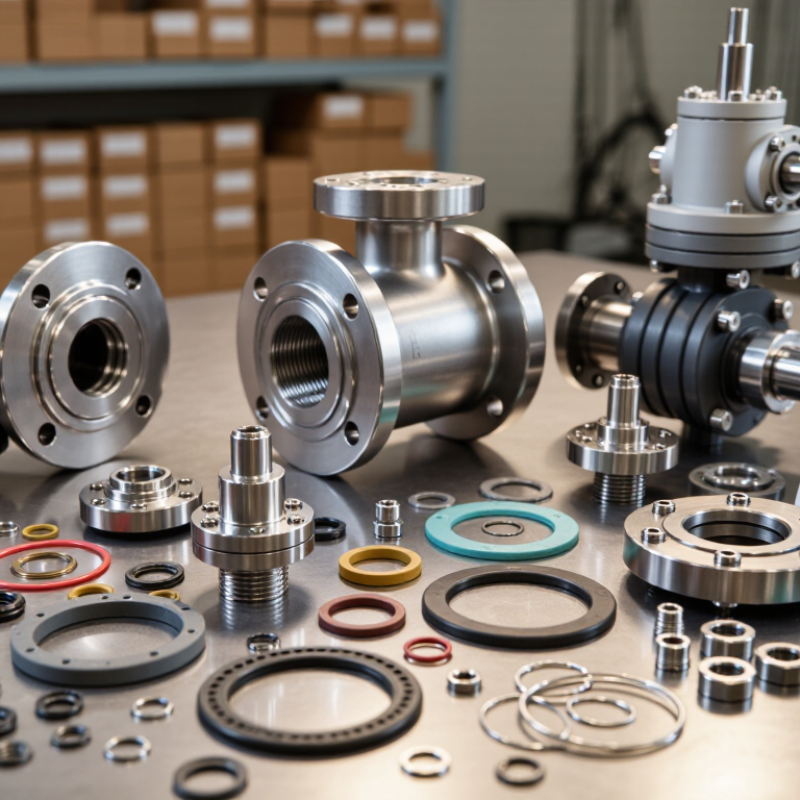
Global valve sourcing starts with a precise component definition, not a broad request for “a valve.” State the service fluid, operating pressure, design pressure, temperature range, flow direction, and cycling frequency. Specify the valve type and each critical part: body, bonnet, stem, seat, seals, fasteners, actuator, and position indicator. A component list should identify material grades, dimensions, tolerances, surface treatment, and connection details. Small omissions become expensive.
For example, a corrosive process may require compatible body and trim materials, not simply stainless steel. Confirm chemical concentration, impurities, temperature peaks, and cleaning agents. For sealing parts, define compound, hardness, temperature limits, and compression requirements. Ask suppliers to provide drawings, material certificates, inspection records, pressure-test results, and traceability for heat or batch numbers. Set measurable acceptance criteria before requesting quotations. “Equivalent material” needs a written definition. Otherwise, purchasing teams may compare unlike products.
Global requirements also include packaging, labeling, spare-part interchangeability, lead time, and approved inspection methods. Align dimensions with the installed piping and actuator interfaces. Check whether local conformity documents, export controls, or destination rules apply. A sample approval can reveal machining marks, incorrect thread depth, or seal damage that paperwork misses. Do not rely on a single drawing. Review the first production article with the supplier and an independent inspector when risk justifies it. The process is rarely perfect. Requirements may change after field feedback, so revision control must be practical, visible, and current.
Evaluating Materials, Standards, and Technical Compatibility
Global valve sourcing depends on more than price and delivery. Materials, standards, and operating conditions must agree. In project reviews, I start with the fluid, pressure, temperature, and cycling frequency. A stainless-steel body may resist water, yet fail in chloride-rich service. Carbon steel may suit dry gas, but corrosion protection needs evidence. Small details matter. Seat and stem materials can change performance more than the body material.
Technical compatibility begins with verified specifications. Check pressure classes, end connections, face-to-face dimensions, and actuator interfaces. Compare supplier drawings with applicable ISO, ASME, EN, or regional requirements. Do not accept “equivalent” without a documented comparison. Threads can look identical and still mismatch. Fit is unforgiving. Flange drilling creates another common trap. A one-millimeter error can stop installation. Request material certificates, test reports, coating data, and traceability records before approval. Independent inspection helps with critical service, especially when documents appear incomplete.
Material selection should follow actual service data, not familiar purchasing habits. Consider galvanic contact, erosion, low-temperature toughness, and cleaning chemicals. Compatibility tables help, but they cannot replace engineering judgment. I have seen a technically correct valve fail because its gasket was overlooked. That mistake was avoidable. Specifications are sometimes copied from old projects, including unnecessary requirements. Review them honestly. Ask whether each standard, test, and material choice supports the application. Documentation matters. Supplier claims still need verification.
How to Choose Valve Components for Global Sourcing? - Evaluating Materials, Standards, and Technical Compatibility
Practical comparison of common valve components, materials, international standards, and compatibility checks
| Valve Component | Common Material Options | Typical Service Temperature* | Relevant Standards | Media Compatibility | Global Sourcing Checks |
|---|---|---|---|---|---|
| Valve Body | Carbon steel; austenitic stainless steel; duplex stainless steel; cast iron; ductile iron | Depends on grade, wall thickness, pressure class, and design code. Carbon steel is commonly used for moderate-to-high temperature service; stainless and duplex grades are selected for corrosive or chloride-containing media. | ASME B16.34; API 600; API 6D; API 609; EN 12516 | Match alloy chemistry to water, steam, hydrocarbons, acids, alkalis, oxygen, and chloride exposure. | Verify material grade, casting or forging route, wall thickness, pressure-temperature rating, heat-treatment records, and material certificates to EN 10204 Type 3.1. |
| Bonnet or Cover | Same or compatible alloy as the body; carbon steel; stainless steel; alloy steel | Must meet the body pressure-temperature envelope and thermal-expansion requirements. | ASME B16.34; API 600; API 602; API 608 | Use compatible metallurgy to avoid galvanic corrosion and differential thermal expansion. | Check bolting arrangement, gasket seating load, bonnet-to-body joint design, drain or vent provisions, and maintenance access. |
| Disc, Ball, or Plug | Carbon steel; 316 stainless steel; duplex stainless steel; nickel-based alloy; hard-faced surfaces | Selected according to body rating, erosion risk, cavitation risk, and process temperature. | API 608 for ball valves; API 609 for butterfly valves; API 6D for pipeline valves; ISO 5208 for testing | Consider abrasive solids, flashing liquids, wet gas, sour service, oxygen service, and high-velocity flow. | Confirm port geometry, flow direction, anti-static provisions, shaft connection, surface finish, and shutoff torque. |
| Stem or Shaft | 316 stainless steel; precipitation-hardening stainless steel; duplex stainless steel; nickel-based alloy | Depends on strength retention, corrosion resistance, packing temperature, and actuator torque requirements. | ASME B16.34; API 600; API 608; ISO 15848-1 for fugitive-emission qualification | Select for chloride stress-corrosion resistance, sour service, hydrogen exposure, and compatibility with packing materials. | Check stem diameter, hardness, surface finish, anti-blowout design, tensile strength, and stem-to-disc or stem-to-ball interface. |
| Valve Seat | PTFE; reinforced PTFE; PEEK; EPDM; NBR; FKM; graphite; metal seat with hard-facing | Elastomers and fluoropolymers generally cover lower-to-moderate temperatures; graphite and metal seats are used for higher-temperature service. | API 6D; API 608; API 609; ISO 5208; API 598 | EPDM is commonly suitable for hot water and steam but is unsuitable for many hydrocarbon services; NBR suits many oils but has limited resistance to some chemicals; PTFE has broad chemical resistance. | Verify pressure-assisted or resilient seating, leakage class, compression set, wear, fire-safe requirements, and compatibility with cleaning chemicals. |
| Stem Packing | Expanded graphite; PTFE; braided graphite; aramid or carbon-fiber reinforced packing | Graphite is commonly selected for higher-temperature service; PTFE is typically used where low friction and chemical resistance are required. | ISO 15848-1; API 622; API 624; ISO 15848-2 | Check oxygen compatibility, oxidizing chemicals, hydrocarbons, steam, toxic gases, and fugitive-emission requirements. | Request leakage-test results, packing density, gland design, emissions class, cycling data, and installation instructions. |
| Body and Bonnet Gasket | Spiral-wound graphite gasket; PTFE gasket; expanded graphite; metal ring-type gasket | Depends on filler, winding material, pressure, flange design, and chemical exposure. | ASME B16.20; ASME B16.21; API 6D; EN 1514 | Match gasket material to process fluid, temperature cycling, flange finish, and chemical compatibility. | Confirm gasket dimensions, inner and outer guide rings, winding material, compression requirements, and traceability documentation. |
| Bolting and Fasteners | Carbon steel; alloy steel; austenitic stainless steel; nickel-based alloy | Use the permitted pressure-temperature range of the specific fastener grade, including strength reduction at elevated temperature. | ASME B16.34; ASTM A193; ASTM A194; ISO 898-1 where applicable | Consider corrosion, hydrogen embrittlement, galvanic effects, thermal cycling, and sour-service restrictions. | Verify grade markings, mechanical properties, coating system, torque requirements, nut compatibility, and certificate traceability. |
| Flange Ends and Connections | Raised-face flanges; ring-type joint flanges; butt-weld ends; socket-weld ends; threaded ends | The connection must remain within the valve and piping system pressure-temperature ratings. | ASME B16.5; ASME B16.25; ASME B16.34; EN 1092-1; ISO 5211 for actuator mounting interfaces | Connection material and corrosion allowance should match the connected piping system. | Check nominal size, pressure class or PN rating, face-to-face dimensions, flange facing, bore alignment, weld-end dimensions, and actuator mounting pattern. |
| Fire-Safe and Emission-Control Features | Graphite secondary seals; metal backup seats; anti-static devices; blowout-proof stems; fire-tested construction | Applied where external fire exposure, volatile hydrocarbons, or hazardous emissions are possible. | API 607; API 6FA; ISO 10497; ISO 15848-1 | Relevant to flammable, toxic, volatile, or environmentally regulated process fluids. | Request current fire-test reports, fugitive-emission classification, cycle count, pressure-test records, and documented design configuration. |
| Actuator Interface and Accessories | Carbon steel; stainless steel; anodized aluminum; engineering polymers for enclosures and accessories | Must match ambient temperature, process heat transfer, enclosure rating, and operating cycle. | ISO 5211; IEC 60529; IEC 60079 for applicable hazardous areas | Consider humidity, salt spray, dust, explosive atmospheres, electrical compatibility, and pneumatic supply quality. | Verify output torque, safety factor, mounting dimensions, fail position, voltage or air pressure, ingress protection, and hazardous-area certification. |
Comparing Suppliers, Certifications, and Manufacturing Capabilities
How to Choose Valve Components for Global Sourcing?
Selecting valve components globally requires more than comparing quotations. Supplier experience matters during real production pressure. Ask for evidence of similar projects, process controls, and stable material sources. A capable supplier should explain forging, casting, machining, heat treatment, and surface finishing clearly. Factory visits can reveal practical details, such as clean storage areas and calibrated inspection equipment.
Certifications deserve careful comparison. ISO 9001 indicates a quality management system, but it does not guarantee every component will perform well. Request current certificates, inspection records, material test reports, and traceability documents. Check whether testing follows the required technical standard and destination-market requirements. Manufacturing capability should match your design, tolerance, volume, and delivery schedule. A supplier with advanced machines may still lack reliable final inspection. I have seen this gap create expensive delays. No supplier is perfect.
Tips: Compare three suppliers using the same technical checklist. Confirm batch traceability from raw material to shipment. Review sample dimensions personally when possible. Ask how nonconforming parts are isolated and corrected. Do not accept vague answers. Small details matter.
A strong sourcing decision combines certification evidence with observed manufacturing performance. Evaluate production capacity during peak periods, not only during a quiet factory tour. Check lead times against actual records. Cost remains important, but an unusually low quotation may hide weaker controls or incomplete testing. My own judgment can be wrong when documents look polished. Recheck the evidence. Reliability grows through repeated results, transparent communication, and measurable inspections.
Assessing Costs, Logistics, Risks, and Regulatory Requirements
How to Choose Valve Components for Global Sourcing?
When sourcing valve components globally, the lowest quotation rarely represents the lowest project cost. Compare material grade, machining tolerance, testing, packaging, and replacement lead time. A stainless body may survive humid storage, while a cheaper alloy can create expensive rework. Request a line-by-line cost sheet. Include tooling, inspection, inland transport, duties, and currency movement. In my experience, unclear certificates cause more delays than slow production. That assumption deserves checking.
Logistics and risk need equal attention. Map the route from the factory to the installation site. Check port congestion, seasonal weather, crate dimensions, and available spare parts. A small seal may stop an entire system when one shipment is delayed. Consider dual sourcing for critical components, but avoid splitting orders without testing consistency. Forecasts are never perfect. Review them monthly. For regulatory control, confirm pressure ratings, material traceability, testing records, labeling, and documentation requirements in the destination market. Requirements can differ by application, industry, and installation location. Ask a qualified compliance professional when the position is unclear.
Tips: Ask suppliers for recent inspection samples and production records. Verify certificates with the issuing laboratory when practical. Use a written acceptance checklist before placing an order. Allow time for document translation and review. Do not treat a familiar component as automatically compliant. A reliable supplier should explain limitations, not only promise delivery.
How to Choose Valve Components for Global Sourcing?
This planning benchmark compares common valve components across cost efficiency, logistics simplicity, supply risk, and regulatory readiness. Scores range from 0 to 100, where a higher score indicates a more favorable sourcing position. Regulatory readiness considers documentation and standards commonly required for industrial valves, including ASME B16.34, API 6D, ISO 15848, EN 10204, and NACE MR0175/ISO 15156 where applicable.
The scores are a neutral procurement planning model, not supplier quotations or company-specific performance data.
Selecting and Qualifying the Best Valve Component Supplier
How to Choose Valve Components for Global Sourcing?
Selecting and Qualifying the Best Valve Component Supplier
Supplier qualification should begin with evidence, not attractive pricing. McKinsey reported that 93% of supply chain leaders planned to increase resilience investments after major disruptions. For valve components, that means checking material traceability, machining capacity, and backup production before approval. Request heat certificates, pressure-test records, dimensional reports, and calibration dates. A supplier should explain each document clearly.
Technical capability matters more than a polished catalogue. The International Organization for Standardization reports that ISO 9001 had more than one million valid certificates worldwide in recent survey data. Certification helps, but it does not prove every batch is consistent. Audit the factory floor. Watch how operators identify stainless steel grades, control sealing surfaces, and quarantine rejected parts. Ask for samples from normal production, not specially prepared pieces.
Use a qualification scorecard covering quality, delivery, engineering support, compliance, and total cost. Grand View Research has estimated steady growth in the global industrial valves market, increasing pressure on component availability and production planning. Still, forecasts can differ. Treat them as planning signals, not guarantees. One weak point often remains: buyers may overvalue a low unit price and underestimate inspection, freight, and failure costs. A small pilot order can expose that mistake. Keep acceptance criteria measurable, including leakage limits, surface finish, thread accuracy, packaging, and response time for corrective actions. Regular requalification is necessary when materials, tooling, or subcontractors change.
Related Posts
-
What is a Working Valve and How Does It Function?
-
How to Choose the Right Guide Valves for Your System?
-
Tips for Maintaining Your Working Valve Effectively?
-
Top Valves and Their Applications in Various Industries?
-

Top Tips for Sourcing Gate Valves at Canton Fair 139?
-

Why Are Valve Applications Essential for Global Industries?
(780) 669-9420