Blog
- Home
- Blog
Top Digital Valves Components You Need to Know?
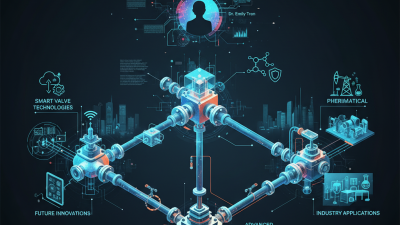
In today's rapidly evolving industrial landscape, understanding the key components of digital valves is crucial. According to industry expert Dr. Emily Carter, “Mastering valves components is essential for optimizing system performance.” This highlights the critical nature of these elements in various applications, from automation to aerospace.
Digital valves components play pivotal roles in ensuring efficiency and precision in operations. These components include actuators, sensors, and communication devices, each crucial in modern control systems. As technologies advance, the complexity of these valves increases. Engineers must adapt and learn continuously, as new innovations emerge.
However, a gap still exists between traditional knowledge and the latest advancements. Some professionals may overlook important updates on valves components. This oversight can lead to inefficiencies and missed opportunities for improvement. Investing time in understanding these critical parts can lead to significant gains in performance and reliability. Exploring these components can unlock new operational potentials.
Essential Components of Digital Valves Explained
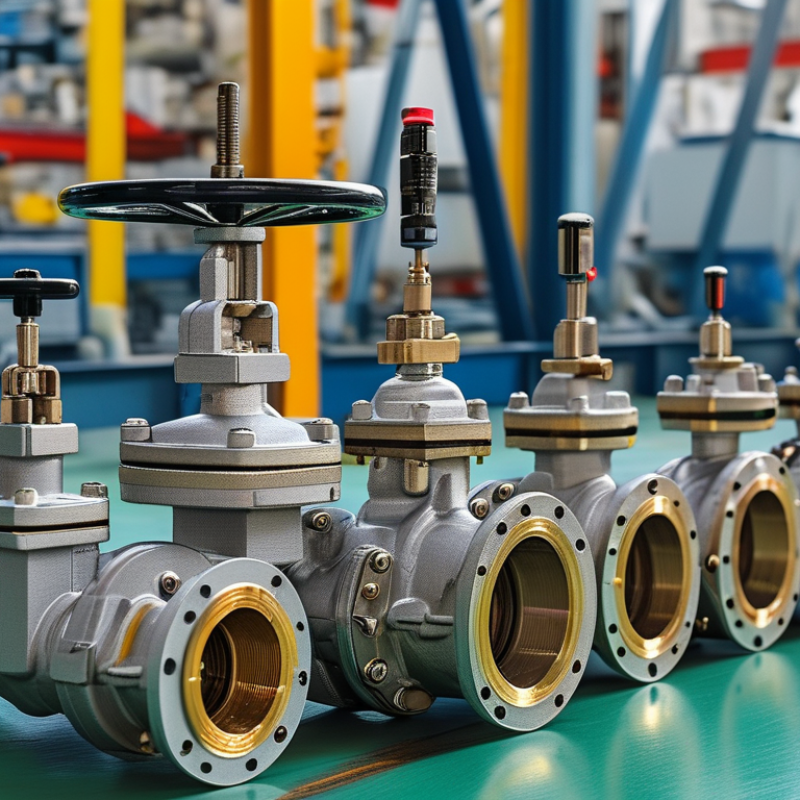
Digital valves play a crucial role in automation systems. Understanding their essential components is vital for effective operation. A key component is the actuator. This device converts electrical signals into mechanical motion. It allows for precise control of fluid flow. Actuators can be electric, pneumatic, or hydraulic. Each type has unique characteristics and applications.
Another important component is the positioner. The positioner ensures that the valve opens or closes to a specific position. It uses feedback from sensors to maintain accuracy. This feedback mechanism is vital for process control. It enhances the reliability of the valve system.
Sensors are also critical in digital valves. They monitor various parameters such as pressure and temperature. These sensors provide real-time data for decision-making. This data helps in optimizing system performance. However, reliance on sensors can be a double-edged sword. They can fail, leading to inaccurate readings. Regular maintenance is necessary to mitigate such risks.
Understanding the Functionality of Actuators in Digital Valves
Actuators play a crucial role in the operation of digital valves. They are the components that convert electrical signals into mechanical movement. This movement allows the valve to open or close, controlling the flow of fluids in a system. Different types of actuators, such as electric, pneumatic, and hydraulic, serve various applications. Electric actuators are often used for precise control. They enable quick adjustments, ideal for processes that require fine-tuning.
Understanding actuators helps in troubleshooting issues. Sometimes, an actuator may not respond as expected due to electrical faults or mechanical wear. Regular maintenance is essential to ensure reliability. Operators need to check connections, inspect for wear, and replace components as necessary. Knowledge of actuators can enhance overall system efficiency.
Improper actuator selection can lead to inefficiencies. System pressure, temperature, and flow rates must be considered when choosing an actuator. A mismatch can result in slow response times or excessive wear. Training and experience in selecting actuators are invaluable. The right choice can improve system performance and longevity.
Top Digital Valves Components You Need to Know
| Component | Functionality | Key Features | Common Applications |
|---|---|---|---|
| Actuator | Converts energy into motion to control the valve position. | Quick response time, high precision, various types (electric, pneumatic). | Water treatment, chemical processing, HVAC systems. |
| Body | Houses the internal components of the valve and maintains pressure. | Material options (stainless steel, plastic), customizable design. | Oil and gas, wastewater management, food processing. |
| Seals | Prevents leakage and ensures proper functioning by sealing the valve. | Durability, resistance to wear and chemicals. | Pharmaceuticals, chemical manufacturing. |
| Positioner | Controls the actuator's movement to achieve precise valve positioning. | Feedback control, high accuracy, remote control capability. | Energy plants, manufacturing lines. |
| Control System | Monitors and manages the valve operation remotelyor automatically. | Integration with SCADA systems, ease of use, data logging. | Automation in production processes, building management systems. |
The Role of Sensors in Modern Digital Valve Systems
In modern digital valve systems, sensors play an essential role. They ensure precision in controlling flow rates and pressures. Today’s sensors can detect minute changes in temperature and flow, allowing for rapid adjustments. This functionality enhances the overall efficiency of various applications, from manufacturing to HVAC systems.
When selecting sensors, consider the environment. Factors such as humidity and temperature variations can impact sensor performance. Ensure that the sensor can withstand specific conditions. Always look for reliability in sensor specifications. Investing in high-quality sensors often pays off in the long run.
Tips: Always test your sensors after installation. Regular calibration can prevent malfunctions. This practice extends the lifespan of your valve systems. Be aware of potential signals indicating sensor failure. Regular maintenance can save time and costs. In the long game, a proactive approach reduces operational hiccups.
Key Features of Digital Valve Controllers You Should Know
Digital valve controllers play a vital role in modern automated systems. They regulate the flow and pressure of fluids with precision. One key feature is their flexibility in integrating with different system architectures. These controllers can adapt to various protocols, ensuring seamless communication. This adaptability is essential for optimizing operational efficiency.
Another important aspect is the user-friendly interfaces. Many controllers come equipped with intuitive displays. These allow operators to monitor and adjust settings quickly. Ease of use enhances productivity but can also lead to oversights. Operators may overlook complex configurations due to simplicity.
Data logging capabilities are increasingly common in digital valve controllers. This feature allows users to track performance over time, providing insights into system behavior. However, reliance on data alone can be misleading. It requires human interpretation to make informed decisions. Understanding this aspect encourages better maintenance practices and supports system longevity.
Benefits of Using Digital Valves in Industrial Applications
Digital valves are transforming industrial applications by enhancing efficiency and precision. Their integration leads to improved process control. According to a report by MarketsandMarkets, the digital valve market is expected to reach $10.2 billion by 2025, growing steadily at a compound annual growth rate (CAGR) of 5.5%. This growth underlines the critical role digital valves play in modern industries.
The benefits of using digital valves are numerous. They offer real-time monitoring and remote operation, which translates to faster responses and reduced downtime. A study published in the International Journal of Automation and Smart Technology indicates that companies using digital valves report up to a 30% increase in productivity. Moreover, they contribute to energy savings, reducing operational costs significantly over time.
However, the adoption of digital valves is not without challenges. Integration with existing systems can be complex. Some facilities may face reluctance from staff to adopt new technologies. As industries move towards digital transformation, a careful assessment of these challenges is vital for successful implementation.
Benefits of Using Digital Valves in Industrial Applications
Related Posts
-
2025 Top Valve Applications You Need to Know for Future Innovations
-

Top Benefits of Engineered Valves for Industrial Applications
-
How to Effectively Control Flow Through Valve Systems for Optimal Performance
-
Top 10 Benefits of Engineered Valves in Industrial Applications?
-
How to Choose the Right Guide Valves for Your System?
-
Tips for Maintaining Your Working Valve Effectively?
(780) 669-9420