How to Choose the Right 4 Gate Valve for Your Project?
Choosing the right 4 gate valve begins with understanding the system, not browsing a product catalogue. Pipe size matters, but it is only one part of the decision. Engineers must examine pressure, temperature, media, flow direction, installation space, and operating frequency. A valve handling clean water may need different materials from one exposed to abrasive slurry or corrosive chemicals.
Field experience shows that small oversights can become expensive maintenance problems. A stem may need more clearance than the drawing suggests. A handwheel may be difficult to reach behind insulation. The body may appear suitable, yet its sealing material could degrade under continuous heat. These details deserve attention before procurement. They affect safety, service life, and downtime.
A reliable selection process also checks the valve’s design and documentation. Review the pressure class, end connection, body material, gate construction, seat type, and actuator requirements. Confirm that testing records and technical data match the intended service. Recognized engineering standards can support this review, but they should not replace project-specific judgment. Standards are useful guides.
The best choice is rarely the cheapest item or the most advanced option. It should balance performance, maintenance access, compatibility, and total operating cost. Project conditions can also change during construction, creating an uncomfortable gap between the original specification and the final installation. That possibility deserves honest discussion. This guide explains the key questions, practical checks, and common mistakes involved in selecting a 4 gate valve with greater confidence.
Define the Flow-Control Requirements for Your Project
How to Choose the Right 4 Gate Valve for Your Project?
Define the Flow-Control Requirements for Your Project
Before selecting a 4-inch gate valve, define what the valve must control. Record the fluid type, operating temperature, pressure, flow rate, and pipe size. Water, steam, chemicals, and abrasive slurries can require very different materials. A valve suitable for clean water may fail quickly in a solids-filled line.
Decide whether the valve will provide isolation or frequent throttling. Gate valves usually perform best when fully open or fully closed. They are not ideal for continuous flow adjustment. Calculate the expected pressure drop and confirm the required shutoff rating. Check whether the valve must handle bidirectional flow, underground installation, or limited access. Small details matter.
I have seen projects specify pressure class but ignore actuator torque. That oversight can delay commissioning. Review the maximum differential pressure, stem movement, and available power before choosing manual, electric, or pneumatic operation. Consider corrosion resistance, sealing materials, maintenance access, and applicable industry standards. The valve body and connection type should also match the existing pipeline.
Do not rely only on a catalog size. Field measurements can expose unusual pipe tolerances or space restrictions. A perfect specification rarely exists. Recheck the process data with operators, engineers, and maintenance staff. Their practical experience may reveal pressure surges, sediment, or seasonal temperature changes that design documents miss. When requirements remain uncertain, document the assumption and verify it before purchase.
How to Choose the Right 4 Gate Valve for Your Project?
Define the Flow-Control Requirements for Your Project
The chart estimates water flow capacity at a continuous flow velocity of 2.0 m/s, using typical internal bore diameters for common nominal pipe sizes and the formula Q = A × v. Use the required flow rate, pipe size, operating pressure, temperature, media, and pressure-drop limits to confirm the correct gate valve selection. Gate valves are generally intended for full-open or full-closed isolation rather than continuous throttling.
Compare the Main Types of 4-Inch Gate Valves
How to Choose the Right 4 Gate Valve for Your Project?
A 4-inch gate valve is mainly used for full-open or full-closed isolation. It should not regulate flow for long periods. Throttling can damage the gate and create unstable pressure. Wedge gate valves seal with a sloping gate, making them suitable for many water and utility lines. They handle small piping misalignment reasonably well, but sediment may affect closing performance.
Parallel gate valves use two parallel sealing surfaces. They can perform well in higher-temperature services, especially when thermal expansion matters. However, their sealing behavior depends heavily on correct installation and operating conditions. Resilient-seated gate valves use an elastomer-coated wedge. They often provide tight shutoff in clean water systems, but the seat material must match temperature, chemicals, and fluid quality.
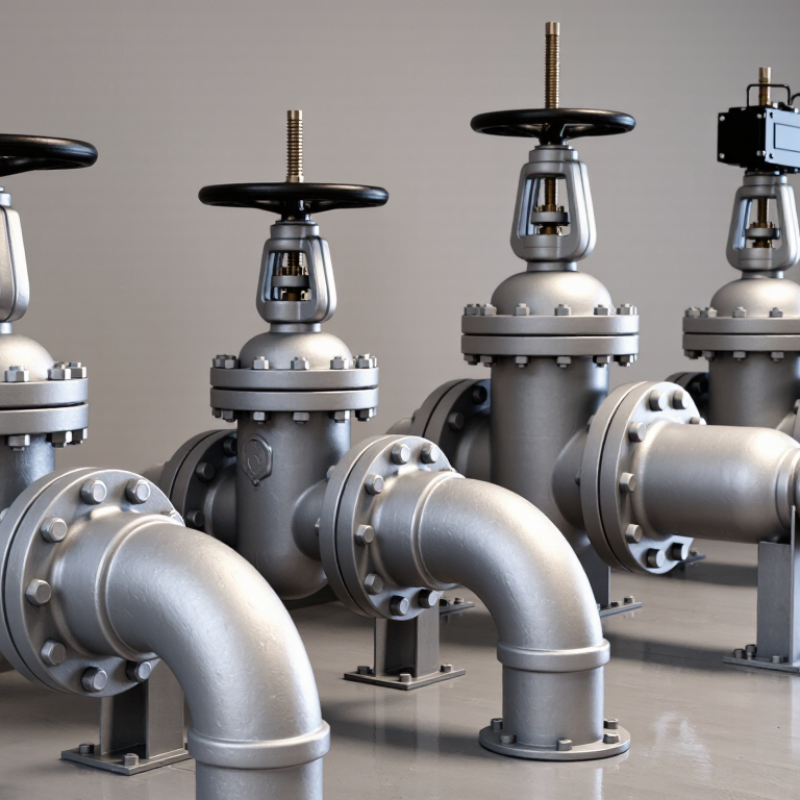
Stem design also changes the practical choice. A rising stem shows whether the valve is open, which helps operators inspect a crowded plant line. It needs extra vertical clearance. A non-rising stem saves space and suits buried or confined installations, but its position is harder to confirm. For exposed pipelines, an outside-screw-and-yoke design can make maintenance easier. Check the pressure class, end connection, body material, actuator torque, and temperature rating before ordering.
Small details matter. I have seen suitable valves fail early because the valve fit the pipe, but not the service. One overlooked point is sediment. Dirty media may require a different seat design and a flushing plan.
Match Valve Materials to Pressure, Temperature, and Media
How to Choose the Right 4 Gate Valve for Your Project?
Material selection should follow pressure, temperature, and media conditions.
A carbon-steel body suits many water and hydrocarbon services. Stainless steel performs better against chlorides and aggressive moisture. However, material names alone are not enough. Check the pressure-temperature rating in ASME B16.34 at the actual operating temperature.
Pressure changes with heat.
For steam service, rising temperature can reduce allowable pressure substantially. The valve body, bonnet, stem, and trim must share compatible ratings. API 598 requires pressure testing, including shell and closure tests, before acceptance. These tests expose weak castings and poor sealing surfaces. They do not replace a site-specific engineering review.
Media compatibility also controls the seat and packing choice.
Abrasive slurry may damage soft seats quickly, while oxygen service demands exceptionally clean components. For sour gas, confirm material resistance against sulfide stress cracking under NACE MR0175/ISO 15156.
Fugitive emissions deserve attention too. The U.S. EPA’s 2024 Inventory estimates that petroleum and natural gas systems released 7.7 million metric tons of methane in 2022. Proper packing selection and ISO 15848 qualification can reduce avoidable leakage.
A practical review should compare normal, maximum, and upset conditions. I would recheck corrosion allowances, because catalog tables can hide process changes. A gate valve should normally isolate flow, not regulate it. That mistake is common.
Evaluate Standards, Maintenance Needs, and Total Cost
Choosing the right 4-inch gate valve starts with confirming the service, not the catalog picture. Check the nominal size, pressure class, temperature, and media compatibility. A valve for clean water may fail early in abrasive slurry. It matters.
Review recognized standards, such as API 600 or ASME B16.34, where applicable. Confirm face-to-face dimensions, end connections, pressure testing, and material requirements with the project specification. Local codes may add conditions. Do not assume one standard covers every installation. I have seen small specification gaps cause expensive pipe modifications. Maintenance also affects selection. Rising stems need visible clearance, while buried valves may require extension stems and protected operating boxes. Consider inspection access, gasket replacement, corrosion exposure, and the number of operating cycles.
Tips:
Compare total cost over the valve’s working life. Include purchase price, actuators, installation labor, spare parts, testing, energy use, and downtime. A cheaper valve can become costly when its packing leaks beside a busy road. Keep practical records. Note torque readings, inspection dates, and unusual vibration. Choose materials from actual water or chemical data, not memory. A disciplined maintenance plan often protects reliability better than a premium specification alone. Allow for mistakes in the budget; field conditions rarely match the drawing perfectly.
 (780) 669-9420