
Blog
- Home
- Blog
What is a Plastic Sealing Machine and How Does It Work?
In the packaging industry, the "Plastic Sealing Machine" plays a vital role. It ensures products are securely sealed, enhancing shelf life and customer satisfaction. Dr. Emily Carter, a leading expert in packaging technology, emphasizes, "A reliable sealing process is crucial for product integrity." This statement highlights the impact of quality sealing on overall product success.
Plastic sealing machines come in various forms, each designed for specific applications. From small handheld units to large industrial machines, their adaptability is impressive. However, manufacturers must continually assess and improve their sealing processes. Factors like temperature control and pressure are essential but often overlooked.
Despite advancements, challenges remain in achieving the perfect seal. Variability in material thickness and quality can affect performance. It’s important to regularly evaluate and calibrate equipment for optimal results. Investing in quality and understanding machine capabilities are essential for businesses aiming for reliable seals.
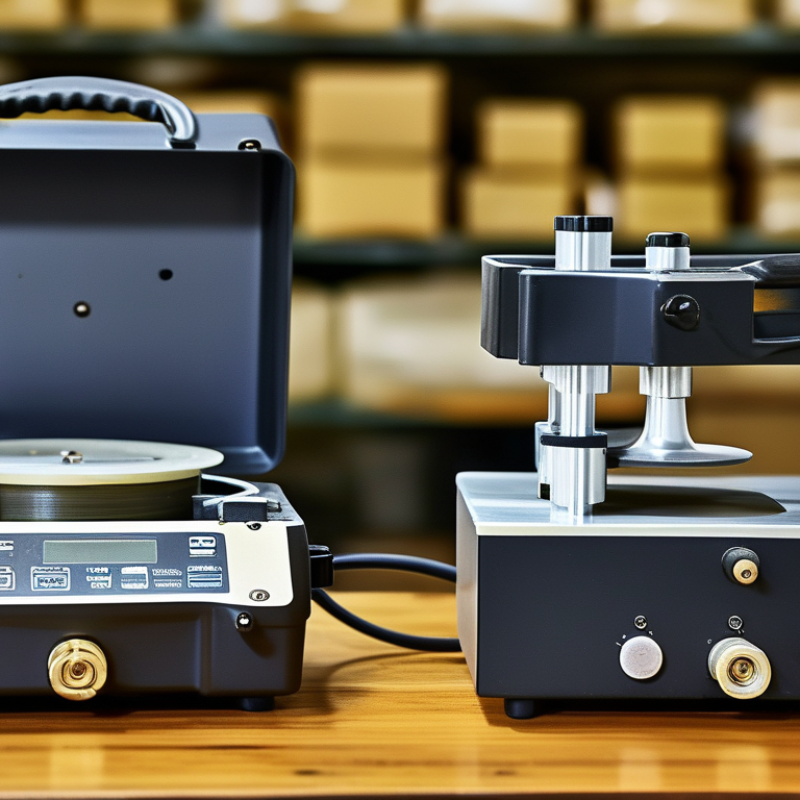
What is a Plastic Sealing Machine?
A plastic sealing machine is primarily used in industries for packaging goods securely. This device utilizes heat or pressure to seal plastic materials. These machines are crucial in various sectors, including food and pharmaceuticals, which demand airtight packaging. According to a report by MarketsandMarkets, the global packaging sealing machine market is expected to grow significantly, projected to reach $4.2 billion by 2025.
Most plastic sealing machines operate on a simple principle. They apply heat to the edges of plastic films, creating a bond. This process ensures that products remain fresh and uncontaminated. In 2021, around 60% of companies reported improved shelf life for their packaged products after using these machines. However, effective sealing requires precise temperature control. Overheating can damage the product or cause packaging defects.
The technology behind these machines is constantly evolving. Innovations now allow for automated processes that enhance efficiency. Yet, operators sometimes face challenges, such as equipment malfunctions or improper settings. These issues can result in packaging failures, impacting product integrity. Many industries are still working to minimize these errors while maximizing efficiency.
Key Components of a Plastic Sealing Machine
A plastic sealing machine is essential for packaging various products securely. Understanding its components helps in maximizing its efficiency. Key elements include the heating element, sealing jaws, and control panel. The heating element generates the necessary temperature to melt the plastic. The sealing jaws press the plastic together, creating a firm bond.
The control panel allows operators to adjust settings and monitor the sealing process. It is crucial for achieving the desired seal quality. Regular maintenance of these components ensures smooth operation. Different machines might have varying configurations, making it significant to become familiar with specific models.
Tips: Ensure the heating element is calibrated correctly. An incorrect temperature can lead to weak seals. Regularly inspect sealing jaws for any wear or damage. Replacing worn parts early can prevent larger issues.
Understanding the nuances of your sealing machine can lead to better product packaging. However, there may be a learning curve in mastering the settings. Experimenting with various materials may yield different results, prompting reflection on best practices.
How Does a Plastic Sealing Machine Operate?
A plastic sealing machine is essential in various industries. It ensures products are secured and protected. The operation of these machines is straightforward, yet effective. The machine typically uses heat or pressure to seal plastic bags or containers.
When the machine operates, the user places the open end of the plastic bag into the sealing area. The heat sealing process activates, melting the edges of the plastic. This forms a strong bond between the two sides. In some instances, machines use impulse sealing, which applies brief heat to create the seal without continuous heat.
Users might notice variations in seal strength based on material thickness and machine settings. Sometimes, a user may find the seal is not complete. This highlights the importance of precise adjustments. It’s crucial to monitor the settings and materials used. Over time, regular maintenance can prevent issues and improve reliability. Understanding these factors can enhance the sealing process and ensure quality outcomes. The machine's design encourages efficiency but requires knowledge and experience to operate effectively.
What is a Plastic Sealing Machine and How Does It Work?
| Feature | Description | Applications | Advantages |
|---|---|---|---|
| Type | Heat Sealing, Impulse Sealing, Vacuum Sealing | Food Packaging, Electronics, Medical Supplies | Durability, Moisture Resistance, Tamper-Evident Sealing |
| Operation Method | Sealing is achieved by applying heat and pressure to the plastic materials. | Packaging for Retail, Industrial Applications | Quick Sealing Process, Reduced Labor Costs |
| Material Used | Polyethylene, Polypropylene, PVC | Food Industry, Electronics Packaging | Versatile Material Compatibility, Efficient Sealing |
| Maintenance | Regular cleaning and inspection of heating elements. | Manufacturing and Packaging Sectors | Increased Equipment Longevity, Consistent Performance |
| Safety Features | Overheat protection, Emergency stop buttons. | Factories, Packaging Centers | Enhanced Operator Safety, Reduced Risk of Accidents |
Types of Plastic Sealing Machines and Their Applications
Plastic sealing machines come in various types, each suited for specific applications. One common type is the heat sealing machine. This device uses heat to melt the plastic and form a seal. It is widely used in food packaging, creating airtight seals that preserve freshness. Another popular type is the vacuum sealing machine. This equipment removes air from the package before sealing. It is ideal for extending the shelf life of food products.
Impulse sealers are also noteworthy. They provide a quick, on-demand sealing method and are popular in low-volume operations. These machines work by applying heat to the sealing area for a brief moment. Users often rely on them for small packaging needs.
Automatic sealing machines are designed for high-volume production lines. They integrate with conveyor belts, enhancing efficiency.
Each type of machine has its limitations. Heat sealing requires precise temperature control. Overheating can damage products. Conversely, vacuum sealers may not work effectively with all packaging materials. Users should assess their needs carefully. Understanding these machines aids in selecting the right one for specific applications. Making informed decisions can lead to better packaging outcomes.
Benefits of Using a Plastic Sealing Machine in Packaging
Plastic sealing machines play a crucial role in the packaging industry. They provide a reliable method for sealing plastic materials, ensuring product freshness and safety. According to a market report by Grand View Research, the global plastic packaging market is expected to reach USD 1 trillion by 2027. This emphasizes the growing demand for efficient sealing solutions in packaging processes.
One significant benefit of using a plastic sealing machine is the enhancement of product integrity. Proper sealing prevents contamination and extends shelf life. For instance, the Food and Drug Administration (FDA) states that effective sealing can decrease spoilage rates by up to 20%. Additionally, plastic sealing machines contribute to cost-effectiveness. They can significantly reduce labor costs by automating the sealing process.
Despite these advantages, there are challenges to consider. The initial investment in a high-quality sealing machine may be substantial. Furthermore, improper training can lead to inefficiencies. Research shows that about 30% of packaging errors stem from user operation. Organizations must prioritize training programs to mitigate these issues.
(780) 669-9420