What is Plate Flat Welding Flange and Its Applications?
The Plate Flat Welding Flange is a crucial component in various industries. Its design allows for secure connections between pipes and equipment. This type of flange is engineered for flat surfaces, ensuring a tight seal.
In applications like construction and manufacturing, the reliability of a Plate Flat Welding Flange is paramount. It withstands high pressure and temperature variations. Industries depend on these flanges for safety and efficiency. Yet, not all flanges are created equal; factors like material quality and installation practices matter significantly.
Understanding the specific requirements is essential when selecting a Plate Flat Welding Flange. It is not just about functionality; precision engineering plays a role too. Professionals must consider the dimensions and compatibility with existing systems. Misalignment can lead to leaks, causing costly downtime. Therefore, careful consideration and expertise are necessary for optimal performance in each application.
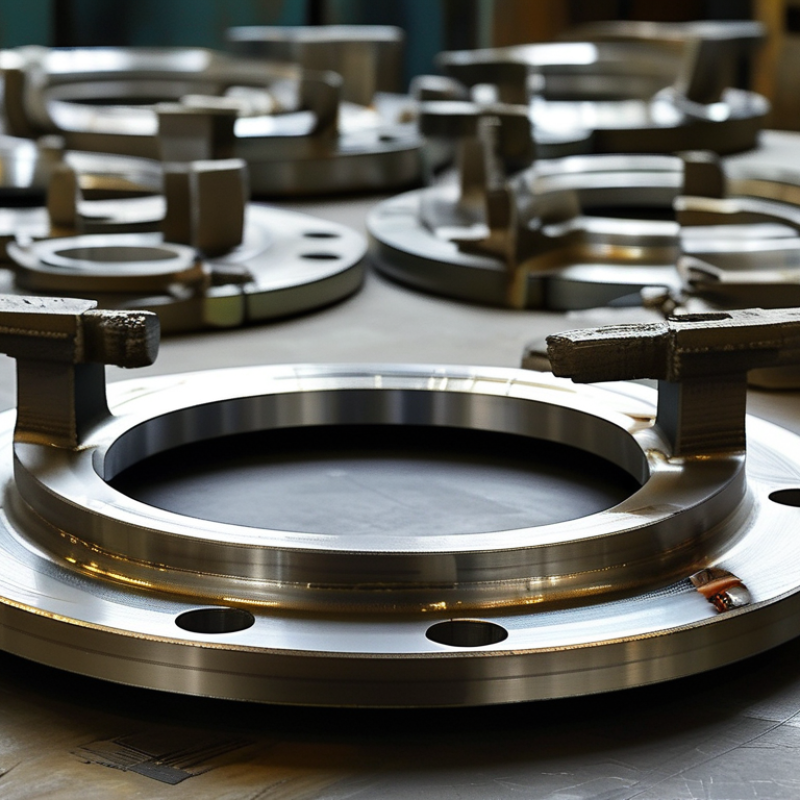
Definition and Characteristics of Plate Flat Welding Flange
Plate flat welding flanges are essential components in piping systems. They offer a flat surface for secure connections. These flanges are typically made from materials like carbon steel or stainless steel. Their primary role is to connect pipes, valves, and other equipment within a system.
The characteristics of plate flat welding flanges include precise dimensions and diverse thicknesses. They can withstand high pressure and temperature variations. The flat nature allows for easy alignment during installation. However, ensuring proper welding techniques is crucial. Inadequate welds lead to leaks or failures. Engineers must assess the application requirements carefully.
Applications of these flanges vary widely. They are used in oil and gas industries, power plants, and water treatment facilities. Their reliability in high-demand environments makes them a popular choice. Still, it’s vital to consider the working conditions. This consideration affects longevity and performance. There’s always room for improvement in design and materials to enhance efficiency and safety.
Types of Plate Flat Welding Flanges and Their Specifications
Plate flat welding flanges are essential components in various industrial applications. They serve as vital connectors in piping systems, enabling tight and secure joints. Different types of plate flat welding flanges exist, including slip-on, weld neck, and blind flanges. Each type has unique specifications that cater to specific operational needs.
Slip-on flanges are easier to align and position. They have a low manufacturing cost, making them popular in many industries. Weld neck flanges, on the other hand, offer better stress distribution and are ideal for high-pressure environments. According to a report from the Engineering and Manufacturing Association, weld neck flanges show a 40% performance improvement under high-tension conditions. Blind flanges create a closed-end in piping, effectively sealing systems.
Material choice heavily influences the performance of these flanges. Common materials include stainless steel and carbon steel, each with specific attributes. For instance, stainless steel flanges resist corrosion well, making them suitable for chemical processing plants. Yet, they may carry higher costs. It’s essential for manufacturers to balance performance and cost-effectiveness. Industry reports indicate that up to 30% of production costs arise from flange materials.
Common Materials Used in Plate Flat Welding Flanges
Plate flat welding flanges are essential components in various industries, designed to connect pipes, valves, and other equipment. The effectiveness of these flanges largely depends on the materials used in their construction. Common materials include carbon steel, stainless steel, and alloy steel. Each material has unique properties, making them suitable for different applications.
Carbon steel is favored for its strength and affordability. It is often used in industries where high pressure is prevalent. Conversely, stainless steel offers higher corrosion resistance, making it ideal for food processing and chemical industries. Alloy steels are utilized in high-temperature environments due to their durability and resistance to thermal expansion.
Tips: When selecting flange materials, consider the environment. Understand the corrosive elements involved. This allows for better decision-making when it comes to maintenance and lifespan.
Also, remember that not all materials work the same. Testing compatibility with existing systems is crucial. Awareness of the limitations and strengths of each material will lead to better installation results. Always consult with experts for critical applications.
Common Materials Used in Plate Flat Welding Flanges
Applications of Plate Flat Welding Flanges in Various Industries
Plate flat welding flanges are essential in various industries, serving as crucial components for connecting pipes, valves, and equipment. These flanges offer a reliable method for creating strong, leak-proof joints. In the oil and gas sector, for example, their demand has surged in recent years. According to a 2021 report by MarketsandMarkets, the global pipe flanges market is expected to reach $15 billion by 2025, with substantial contributions from flat welding flanges in high-pressure applications.
In the chemical processing industry, plate flat welding flanges can withstand harsh environments and substances. They maintain effectiveness even under high temperatures and pressures. A study revealed that this durability can enhance system efficiency, reducing maintenance costs by up to 30%. Such benefits are vital, especially when dealing with corrosive materials.
Tips: Regular inspections can prolong the life of welding flanges. Implementing scheduled maintenance checks helps identify wear and potential failure points early. Always use high-quality materials for flanges to ensure they meet industry standards.
However, not all applications meet the standards required for safety and efficiency. Misalignment during installation can lead to significant weaknesses in the system. It is crucial to employ trained technicians familiar with the specific requirements of plate flat welding flanges. Investing in professional training pays off in the long run.
Advantages of Using Plate Flat Welding Flanges in Construction and Assembly
Plate flat welding flanges are essential components in the construction and assembly industry. These flanges provide a reliable connection between different parts of piping and structural systems. One significant advantage is the reduction in the number of welds needed, which can streamline the assembly process. According to the American Society of Mechanical Engineers (ASME), using fewer welds can enhance the overall integrity of the structures.
Furthermore, plate flat welding flanges are versatile and can be utilized across a variety of environments. They are commonly seen in industrial applications, including oil and gas, chemical processing, and water treatment. A report by the Engineering News-Record (ENR) highlighted that construction projects utilizing these flanges reported a 15% increase in assembly efficiency. This efficiency often translates into cost savings and shorter project timelines.
However, some challenges exist. The quality of the flange material can vary. If not checked, this may lead to issues such as leaks or structural failures. Additionally, skilled labor is required for proper installation, emphasizing the need for ongoing training and quality control measures in the industry. Balancing these factors is vital to ensure safety and reliability in construction practices.
What is Plate Flat Welding Flange and Its Applications?
| Dimension (mm) | Material | Pressure Rating (MPa) | Applications | Advantages |
| 50 x 10 | Steel | 1.0 | Piping systems | Cost-effective and durable |
| 100 x 15 | Stainless Steel | 1.5 | Chemical processing | Corrosion resistance |
| 150 x 20 | Carbon Steel | 2.0 | Water supply | High strength |
| 200 x 25 | Alloy Steel | 2.5 | Oil and gas industry | Temperature and pressure resistance |
| 250 x 30 | Copper | 3.0 | Electrical applications | Excellent electrical conductivity |
 (780) 669-9420
