
What is Print Inspection Software and How Does It Work?

Print Inspection Software is essential in the modern printing industry. It ensures quality and consistency throughout the entire printing process. This technology uses advanced algorithms and imaging systems to detect flaws that the human eye might miss.

In a fast-paced production environment, mistakes can lead to costly reprints and wasted materials. Print Inspection Software addresses this issue efficiently. By automating the inspection process, it reduces the workload on human operators and enhances accuracy. It can identify issues such as color mismatches, alignment errors, and missing elements.

Despite its effectiveness, Print Inspection Software is not infallible. Operators must remain vigilant and periodically review the software's output. Relying solely on technology can lead to oversight. The integration of human expertise with automated systems is crucial for achieving optimal results in print quality management.
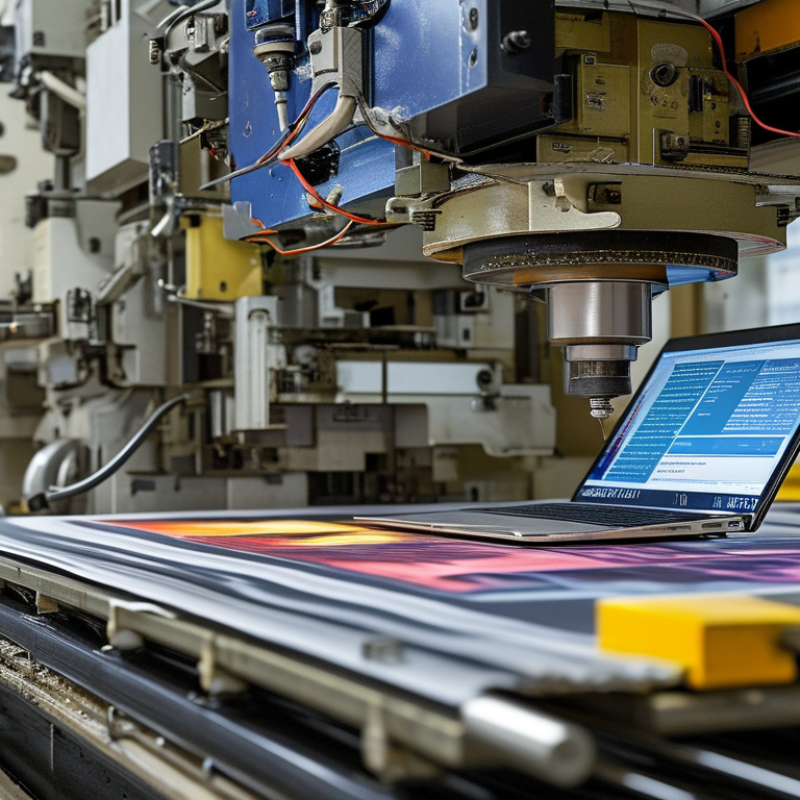
What is Print Inspection Software and How Does It Work?

What is Print Inspection Software?

Print inspection software plays a critical role in the printing industry. This technology ensures that every print meets quality standards. By using advanced algorithms, it detects defects that can lead to product recalls. According to a report from Smithers Pira, the global print inspection market is expected to reach $1.2 billion by 2025. This growth reflects the rising demand for quality assurance in printing processes.

The software can identify issues like color mismatches, misalignments, and missing elements. It often employs machine vision systems that analyze printed materials in real time. Studies show that around 2% of printed products have defects. If undetected, these defects can significantly impact brand reputation. Implementing print inspection software can minimize these risks.

Despite its advantages, some companies still hesitate to adopt this technology. The initial investment can be daunting. Moreover, the complexity of integrating new systems into existing workflows can create additional challenges. Companies must weigh these factors carefully. Failure to do so might lead to higher rejection rates and loss of customer trust.

Print Inspection Software Metrics

Key Features of Print Inspection Software

Print inspection software plays a crucial role in ensuring quality in the printing industry. One key feature is real-time defect detection. This technology utilizes advanced algorithms to identify anomalies during the printing process. According to a market report from Smithers Pira, up to 10% of printed materials may have defects that could go unnoticed, leading to significant waste and cost.

Another important aspect is comprehensive reporting capabilities. This software generates detailed reports on print quality metrics. It enables operators to pinpoint the stages in the printing process where issues arise. Research indicates that organizations adopting print inspection software can reduce defect rates by as much as 30%. This level of insight is crucial for continuous improvement.

Moreover, integration with existing systems enhances functionality. Print inspection software can work alongside other manufacturing systems to streamline operations. However, the challenge lies in ensuring interoperability with legacy technologies. As many companies hesitate to invest in new systems due to this concern, the potential benefits may be overlooked. Hence, a careful evaluation of existing infrastructure is essential before implementing new solutions.

How Print Inspection Software Works

Print inspection software is crucial in the printing industry. It automates the quality control process, ensuring that printed materials meet specific standards. By using advanced algorithms, the software analyzes printed output in real-time.

This technology employs high-resolution cameras to capture images of printed sheets. These images are then compared to preset criteria. Any defects, such as misalignment or color issues, are flagged immediately. This speeds up the quality assurance process significantly. Additionally, the software can learn from past data, enhancing its inspection criteria over time.

While effective, the software is not infallible. It may sometimes misidentify minor defects as major issues. It can lead to unnecessary reprints, wasting resources. Operators must continually assess the software's output to ensure accuracy. Balancing automation with human oversight remains essential for optimal results. Through this dynamic, print inspection software evolves, promising greater reliability in print quality.

What is Print Inspection Software and How Does It Work?

Dimension Description Example Usage
Quality Control Ensures printed materials meet specified quality standards. Verifying color accuracy and alignment during print runs.
Automation Streamlines the inspection process to reduce manual errors. Using cameras and software to automatically check prints.
Real-time Monitoring Tracks print quality continuously during the production process. Alerting operators of any deviations immediately.
Data Analysis Collects and analyzes data for continuous improvement. Generating reports on common defects identified during inspections.
Integration Can be integrated with existing manufacturing systems for seamless operation. Connecting with ERP systems to streamline workflows.

Benefits of Using Print Inspection Software

Print inspection software plays a crucial role in modern printing processes. This technology enhances quality control by automatically detecting errors and defects during production. By using high-resolution cameras and advanced algorithms, the software identifies issues such as color mismatches, alignment problems, and missing elements in real time. This helps prevent costly mistakes before the final product reaches customers.

One of the key benefits of using print inspection software is increased efficiency. With automated inspections, businesses can reduce the time spent on manual checks. This technology allows for continuous monitoring, enabling faster adjustments to the production line. Moreover, it improves product consistency, essential for maintaining a strong brand reputation. However, there can be challenges. Not all software is perfect; occasional false positives may arise. Relying solely on technology can sometimes lead to oversight of subtle human errors.

Additionally, implementing print inspection software requires staff training and proper integration with existing systems. Without proper setup, the software may not achieve its full potential. Some businesses may struggle with this transition, highlighting the need for thoughtful planning. Balancing automation with human oversight remains vital. This ensures the quality of the final product, allowing companies to deliver on their promises to customers.

Applications of Print Inspection in Different Industries

Print inspection software plays a crucial role across various industries. In pharmaceuticals, it ensures that labels are accurate and packaging is intact. According to a report by Smithers Pira, about 20% of product recalls are due to labeling errors. This highlights the need for robust inspection systems to catch mistakes before products hit the shelves.

In the food and beverage industry, print inspection systems are essential for compliance. These systems check barcodes and expiration dates to prevent costly recalls. A study by Packaging Strategies revealed that improper labeling costs the industry an estimated $2 billion annually. Without proper inspection, consumers risk receiving faulty products, which can harm brand loyalty.

Additionally, the consumer goods sector uses print inspection to enhance quality control. Inspections can catch inconsistencies in print quality, such as color variations or misalignment. These issues can lead to consumer dissatisfaction. Reports suggest that maintaining consistent print quality can increase customer retention by as much as 30%. Yet, many companies underestimate the financial impact of poor print quality, often reflecting a need for improvement in operational practices.

×
img

    Contact Info

    Phone number

    661-392-8948

    Address info

    3451 Pegasus Drive, Bakersfield, CA USA