 (780) 669-9420
Top Flow Valves Manufacturers for Global Buyers
Global buyers are entering a flow valves market shaped by infrastructure renewal, stricter efficiency targets, and automated process control. Grand View Research estimated the global industrial valves market at approximately USD 76 billion in 2023, with continued growth expected through 2030. Fortune Business Insights reported a different valuation because its scope includes additional valve categories. That difference matters. Market figures are not perfectly comparable.
Selection now reaches beyond pressure ratings and purchase price. A refinery may need corrosion-resistant alloys near a bright, hot process line. A municipal water plant may prioritize low leakage, easy maintenance, and stable actuator performance. Food processors often require hygienic surfaces and cleanable designs. These details separate suitable flow valves from merely available products.
Valve engineer and author Dr. James R. Couper stated, “A valve should be selected as part of the process, not as an isolated component.” This practical principle remains relevant for global sourcing. Buyers should examine published test standards, material certificates, cycle-life data, after-sales support, and local service capability. ISO 5208 leakage testing, API specifications, and IEC-related control requirements can provide useful comparison points, although certification claims still require verification.
This guide reviews leading flow valves manufacturers serving international buyers. It considers engineering depth, production capacity, application experience, documentation quality, and supply resilience. No ranking is universally correct. A supplier with strong oil and gas credentials may not suit a pharmaceutical plant. That is the uncomfortable part: the cheapest quotation can become the most expensive decision when seals fail, delivery slips, or technical support disappears.
Types of Flow Valves and Their Industrial Applications
Top Flow Valves Manufacturers for Global Buyers
Types of Flow Valves and Their Industrial Applications
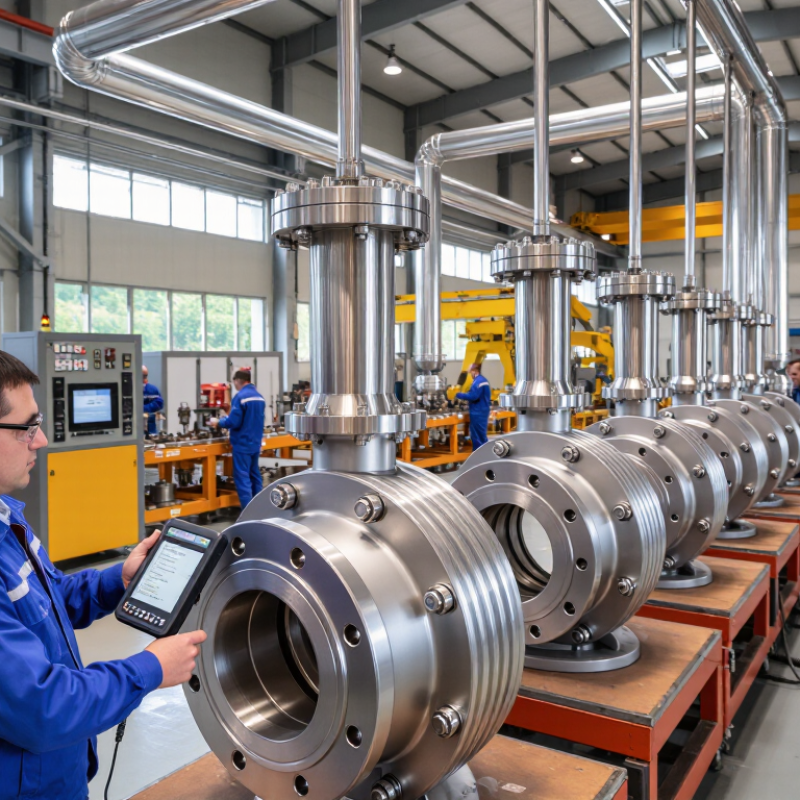
Flow valves regulate, isolate, or redirect liquids, gases, and slurries across industrial systems. Ball valves provide quick shutoff in water treatment, fuel transfer, and compressed air lines. Their quarter-turn design reduces operating time. Butterfly valves suit large pipelines because they remain compact and relatively light. They often appear in cooling-water networks and ventilation systems.
Gate valves are designed mainly for full-open or full-closed service. They work well on pipelines carrying clean water, oil, or steam. Globe valves offer finer throttling, making them useful for boiler feedwater and process control. Check valves prevent reverse flow in pumps and discharge lines. That small function matters. A failed check valve can create damaging pressure surges.
Diaphragm valves handle corrosive chemicals or hygienic fluids while keeping the working parts separated from the media. Needle valves deliver precise low-flow adjustment in instruments and sampling systems. From practical installations, valve selection depends on pressure, temperature, viscosity, and pipe size. Material compatibility also deserves close attention, especially with abrasive slurry or salty water. Engineers should verify pressure ratings, actuator requirements, maintenance access, and applicable testing standards before purchase. A neat specification can still fail in the field. Sediment, poor alignment, or an undersized actuator may change performance. Global buyers should request clear drawings, inspection records, spare-part details, and traceable quality documents.
| Flow Valve Type | Primary Flow-Control Function | Typical Size Range | Typical Pressure Range | Common Materials | Preferred Actuation | Key Industrial Applications | Main Selection Considerations |
|---|---|---|---|---|---|---|---|
| Ball Valve | Rapid isolation with a quarter-turn operation; suitable for on/off service and selected control duties. | DN8–DN1200 (1/4–48 in) |
Up to approximately 420 bar (6,000 psi), design-dependent |
Carbon steel, stainless steel, alloy steel, brass, PTFE or reinforced polymer seats | Manual lever, pneumatic actuator, electric actuator | Oil and gas pipelines, chemical processing, water treatment, compressed air, fuel systems | Media compatibility, seat temperature limit, fire-safe requirements, fugitive-emission control and required flow coefficient |
| Butterfly Valve | Lightweight quarter-turn isolation and throttling for large pipe diameters. | DN40–DN4000 (1-1/2–160 in) |
Typically up to 40 bar (580 psi) |
Ductile iron, carbon steel, stainless steel, aluminum bronze; EPDM, NBR, PTFE or metal seats | Manual gearbox, pneumatic actuator, electric actuator | HVAC systems, cooling water, wastewater, seawater, fire protection and bulk water distribution | Wafer, lug or flanged body style; liner compatibility, cavitation risk, disc corrosion and allowable pressure drop |
| Gate Valve | Full-bore isolation with minimal pressure loss when fully open; not normally recommended for throttling. | DN15–DN2000 (1/2–80 in) |
Up to approximately 420 bar (6,000 psi), design-dependent |
Cast iron, ductile iron, carbon steel, stainless steel, alloy steel | Handwheel, bevel gear, electric actuator, hydraulic actuator | Transmission pipelines, power generation, water infrastructure, mining slurry lines and process plants | Wedge or parallel gate design, stem arrangement, bi-directional shutoff, solids handling and installation space |
| Globe Valve | Accurate throttling and flow regulation with reliable shutoff. | DN15–DN600 (1/2–24 in) |
Up to approximately 420 bar (6,000 psi), design-dependent |
Carbon steel, stainless steel, alloy steel, bronze and nickel alloys | Handwheel, pneumatic actuator, electric actuator | Steam systems, boiler feedwater, fuel systems, chemical dosing and high-pressure process lines | Higher pressure loss than a gate valve, trim design, cavitation, flashing, noise and actuator thrust |
| Check Valve | Prevents reverse flow and protects pumps, compressors and process equipment. | DN15–DN1800 (1/2–72 in) |
Up to approximately 420 bar (6,000 psi), design-dependent |
Cast iron, ductile iron, carbon steel, stainless steel, bronze and alloy steel | Self-actuated by fluid flow; spring-assisted options available | Pump discharge lines, water treatment, boiler systems, oil pipelines, compressor stations and chemical plants | Cracking pressure, reverse-flow velocity, water hammer, installation orientation and slam prevention |
| Control Valve | Automatically modulates flow, pressure, temperature or liquid level in response to a control signal. | DN15–DN1200 (1/2–48 in) |
Application-specific; commonly up to 420 bar (6,000 psi) |
Carbon steel, stainless steel, alloy steel, duplex stainless steel and engineered trim materials | Pneumatic diaphragm or piston actuator; electric and hydraulic options | Refineries, chemical plants, power stations, food processing, water treatment and industrial automation | Required Cv or Kv, rangeability, fail-safe position, noise, cavitation, flashing and actuator response time |
| Plug Valve | Quarter-turn isolation with dependable service in systems requiring compact flow paths. | DN15–DN900 (1/2–36 in) |
Up to approximately 420 bar (6,000 psi), design-dependent |
Carbon steel, stainless steel, ductile iron, nickel alloys and PTFE-lined materials | Manual wrench, gearbox, pneumatic actuator, electric actuator | Gas distribution, crude oil service, wastewater, slurry handling and chemical processing | Lubricated or non-lubricated design, sealing performance, torque requirements, solids content and emissions control |
| Diaphragm Valve | Isolation and throttling while keeping the operating mechanism separated from the process fluid. | DN10–DN600 (3/8–24 in) |
Typically up to 16 bar (230 psi) |
Cast iron, ductile iron, stainless steel, plastic-lined bodies; elastomer or PTFE diaphragms | Manual handwheel, pneumatic actuator, electric actuator | Corrosive chemicals, ultrapure water, pharmaceuticals, food processing and abrasive slurries | Diaphragm chemical compatibility, temperature rating, vacuum conditions, sterilization requirements and solids handling |
| Needle Valve | Fine adjustment of low flow rates and precise regulation in instrumentation systems. | DN3–DN50 (1/8–2 in) |
Up to approximately 690 bar (10,000 psi), design-dependent |
Stainless steel, brass, carbon steel and nickel alloys | Manual handwheel; pneumatic or electric actuation for specialized systems | Instrumentation panels, hydraulic systems, calibration equipment, sampling lines and laboratory gas systems | Required metering accuracy, fluid cleanliness, stem-tip geometry, pressure rating and operator torque |
| Safety Relief Valve | Automatically releases excess pressure to protect vessels, pipelines and process equipment. | DN15–DN400 (1/2–16 in) |
Set pressure is application-specific; commonly up to 420 bar (6,000 psi) |
Carbon steel, stainless steel, alloy steel and nickel alloys | Spring-loaded or pilot-operated; self-actuated by system pressure | Pressure vessels, boilers, refineries, chemical plants, storage tanks and gas processing facilities | Set pressure, relieving capacity, back pressure, allowable overpressure, discharge piping and applicable safety codes |
| Solenoid Valve | Electrically controlled opening or closing of fluid flow in automated systems. | DN2–DN100 (1/16–4 in) |
Typically up to 100 bar (1,450 psi), design-dependent |
Brass, stainless steel, aluminum and engineering polymers; elastomer or PTFE seals | Integral electromagnetic coil | Compressed air, water systems, fuel burners, medical equipment, packaging machinery and process automation | Normally open or normally closed configuration, voltage, response time, minimum differential pressure, seal compatibility and ingress protection |
| Note: Pressure, temperature, size and material ranges are representative industry values rather than universal limits. Final valve selection should be verified against the applicable design code, process conditions, media compatibility, flow coefficient and manufacturer-certified data. | |||||||
Related Posts
-
Why Are Flow Valves Important for Fluid Control?
-
How to Choose the Right Valve Applications for Your Industry Needs?
-
What is Valve Applications in Industrial Settings?
-
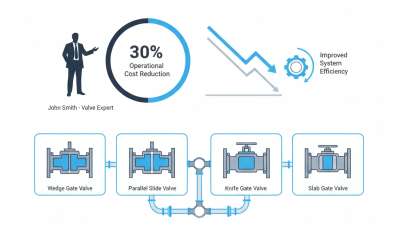
The Best 4 Gate Valve Types for Efficient Flow Control in Your Systems
-
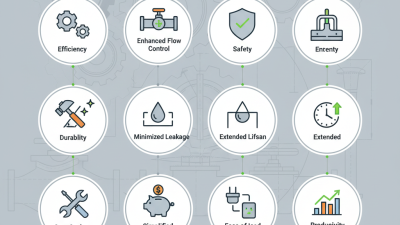
Top 10 Benefits of Using DHV Gate Valve in Industrial Applications?
-
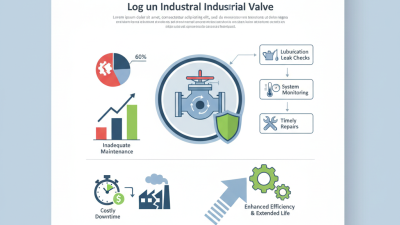
Tips for Maintaining Your Working Valve Effectively?
