What Are the Top Types of Forged Valves?
Choosing the right forged valves begins with understanding pressure, temperature, fluid behavior, and installation conditions.
The global valve market continues to expand across oil and gas, power generation, chemical processing, and water infrastructure. Reports from MarketsandMarkets and Grand View Research identify energy investment, aging pipelines, and stricter process-control demands as important growth drivers. However, broad market figures can hide a practical problem. A valve that performs well in a laboratory may fail early when operators ignore cycling frequency, corrosion, or poor access.
Forged valves remain valuable because forging creates a dense metal structure with fewer internal discontinuities. This matters in compact, high-pressure systems. Forged gate, globe, check, ball, and needle valves each serve different control or isolation duties. The best choice depends on more than nominal size. Body material, pressure class, end connection, trim, and sealing design all deserve attention.
Greg Johnson, a longtime valve-industry specialist and United Valve executive, offers a useful reminder: “The valve must match the application, not just the specification.” That principle is easy to overlook.
It deserves repetition.
A forged ball valve may suit rapid shutoff, while a forged globe valve can provide more controlled throttling. A forged gate valve generally supports isolation, not routine regulation. These distinctions affect leakage risk, maintenance time, and plant safety.
The Valve Manufacturers Association’s industry reports also emphasize supply-chain conditions, industrial demand, and engineered valve quality. Still, published forecasts are not guarantees. Actual performance depends on traceable materials, qualified manufacturing, correct testing, and disciplined installation. This guide examines the top types of forged valves and the decisions behind their selection.
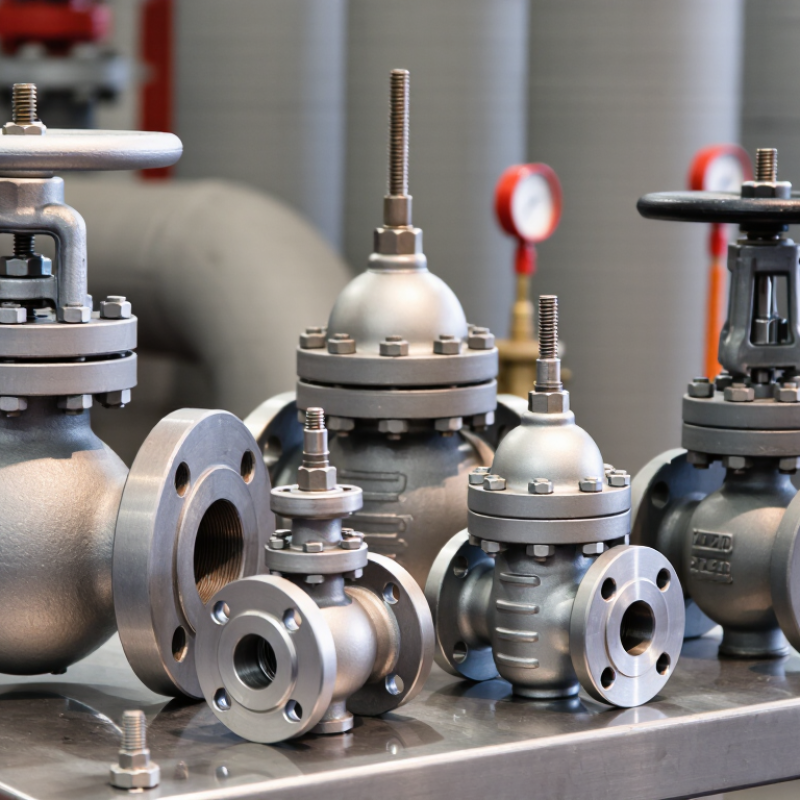
What Defines a Forged Valve and Its Main Advantages
What Are the Top Types of Forged Valves?
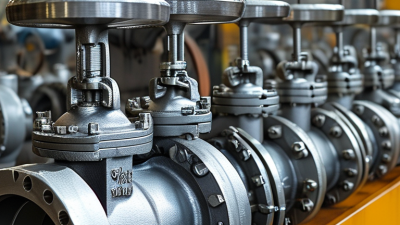
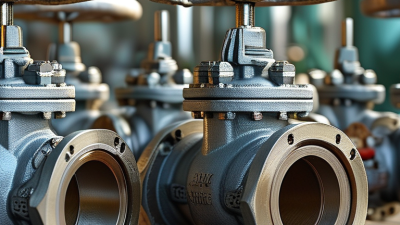
A forged valve begins as a heated steel billet shaped under controlled pressure. This process compresses the metal and creates a dense, reliable pressure boundary. Unlike cast valves, forged valves usually contain fewer internal voids and less porosity. Their compact bodies also suit high-pressure piping, narrow spaces, and demanding service conditions.
Forged gate valves provide straight-through flow with minimal pressure loss when fully open. Forged globe valves offer more precise throttling, although their internal path creates greater resistance. Forged check valves prevent reverse flow without external operation. Forged ball valves close quickly and provide dependable shutoff. Smaller forged needle valves can control flow accurately in instrumentation systems. Each type serves a different operating purpose.
In field applications, technicians often value forged valves for their strength, fatigue resistance, and consistent sealing surfaces. They perform well near pumps, boilers, and high-pressure process lines. Proper material selection still matters. Temperature, fluid chemistry, pressure cycling, and connection design can change the result. Forged construction is not a universal solution. A poorly specified valve may fail despite excellent manufacturing. Inspectors should review pressure ratings, heat treatment records, dimensional checks, and test results before installation. Small details matter. Forged valves can also cost more and require careful machining, so their advantages should match the actual operating demands.
What Are the Top Types of Forged Valves? — What Defines a Forged Valve and Its Main Advantages
Forged Valve Types, Functions, and Key Performance Characteristics
| Valve Type |
Primary Flow Function |
Typical Construction and Operation |
Main Advantages |
Main Limitations |
Common Applications |
| Forged Gate Valve |
Isolation; fully open or fully closed service |
A wedge or slab gate moves vertically between seats, usually in line with the flow path. |
Low flow resistance when fully open; suitable for high-pressure service; provides reliable shutoff when correctly selected. |
Not recommended for throttling; slow operation; seat and gate surfaces may be damaged by continuous high-velocity flow. |
Oil and gas lines, steam systems, power plants, process piping, and high-pressure isolation points. |
| Forged Globe Valve |
Throttling, regulation, and isolation |
A movable disc or plug travels toward a stationary seat; the flow path changes direction inside the body. |
Good control of flow rate; dependable shutoff; suitable for frequent operation and high-temperature services. |
Higher pressure drop than a straight-through gate or ball valve; generally requires more operating force. |
Steam lines, boiler systems, fuel systems, bypass lines, and process-flow control. |
| Forged Check Valve |
Automatic prevention of reverse flow |
A disc, piston, or ball opens under forward pressure and closes when flow reverses. It does not normally require an actuator. |
Protects pumps and compressors; operates automatically; compact designs are available for restricted spaces. |
Cannot provide positive manual isolation; incorrect sizing or unstable flow can cause chatter or premature wear. |
Pump discharge lines, compressor systems, injection lines, steam systems, and pressure-control circuits. |
| Forged Ball Valve |
Fast quarter-turn isolation |
A bored ball rotates approximately 90 degrees to align or block the flow passage. |
Low pressure drop when fully open; quick operation; compact design; tight shutoff with suitable seats. |
Standard soft-seat designs may be limited by temperature or media compatibility; prolonged throttling can damage seats. |
Hydrocarbon service, chemical processing, compressed gas, water systems, and emergency isolation. |
| Forged Needle Valve |
Fine flow adjustment and metering |
A slender, tapered plunger moves into a small seat opening to provide precise flow control. |
Excellent control at low flow rates; well suited to instrumentation and high-pressure small-bore lines. |
Limited flow capacity; higher pressure loss; not ideal for large-diameter or dirty services. |
Instrument panels, pressure gauges, sampling lines, hydraulic systems, and calibration equipment. |
What Defines a Forged Valve?
| Dimension |
Factual Description |
| Manufacturing Method |
The valve body or pressure-retaining parts are shaped from heated metal under compressive force, then machined to final dimensions. |
| Material Structure |
Forging can produce a dense, refined grain structure and directional grain flow, depending on the material, process, and heat treatment. |
| Typical Size Range |
Forged valves are commonly selected for small-bore and medium-bore piping, where compact dimensions and high-pressure capability are important. Actual size depends on the design standard and service. |
| Pressure and Temperature Capability |
Performance depends on body material, pressure class, end connection, trim, temperature, and applicable design standards; “forged” alone does not define a pressure rating. |
Main Advantages of Forged Valves
| Advantage |
How It Benefits Valve Service |
| High Structural Integrity |
A properly manufactured forging can provide a dense pressure boundary with good resistance to mechanical loading. |
| Reduced Risk of Porosity |
The forging process generally avoids the solidification-related porosity associated with some cast products, although inspection and quality control remain essential. |
| Compact Design |
Forged bodies are often suitable for compact, small-bore valve designs where installation space and weight must be controlled. |
| Reliable High-Pressure Service |
Forged construction is widely used for demanding pressure applications when the complete valve design, materials, testing, and rating are properly matched to the service. |
| Material and Application Flexibility |
Carbon steel, stainless steel, alloy steel, and other engineering materials may be forged for different combinations of corrosion, pressure, and temperature requirements. |
Forged Gate Valves for Reliable On-Off Flow Control
Forged gate valves are built for dependable on-off flow control, especially in high-pressure piping and compact process systems. Unlike regulating valves, they should operate fully open or fully closed. Keeping the gate partially open can cause turbulence, vibration, and premature seat damage. Common designs include wedge gate valves, parallel slide gate valves, and expanding gate valves. Each design responds differently to pressure, temperature, and thermal movement.
In field applications, a forged body offers useful strength around threaded, socket-weld, or butt-weld connections. A rising stem also gives operators a clear visual indication of valve position. This small detail matters in crowded valve stations. Before selection, engineers should check pressure class, temperature range, bore size, seat material, and actuator requirements. A valve that fits the pipe may still fail the service conditions. Check the details.
Installation quality strongly affects reliability. Pipe stress, poor alignment, or debris can prevent full closure. Technicians should clean the line, verify flow direction where applicable, and test operation before commissioning. Regular checks should include stem condition, packing adjustment, body leakage, and handwheel movement. Forged gate valves are not ideal for frequent throttling, despite their strong construction. That limitation is easy to overlook. In demanding service, documented pressure testing and maintenance records provide better evidence than appearance alone. Real performance depends on correct sizing, careful installation, and disciplined operation.
Forged Check Valves for Preventing Reverse Flow
Forged valves are valued where pressure, temperature, and compact dimensions demand dependable metalwork. Common types include forged gate, globe, and check valves. Among them, forged check valves play a direct role in preventing reverse flow.
A forged check valve closes when fluid changes direction. Its disc, piston, or ball responds without manual operation. This simple action protects pumps, compressors, and process equipment from backflow damage. Lift and piston check valves suit many high-pressure lines because their guided closing members resist misalignment. Swing designs can offer lower pressure loss, but they need suitable installation space and flow conditions.
Small details matter. During inspections, technicians should check the arrow on the body and confirm the required flow direction. Incorrect orientation can stop the valve from protecting the system. The line should also be clean before installation. Welding debris or scale may hold the disc open. That mistake is easy to overlook.
Closing speed deserves attention. A valve that slams shut may create water hammer, producing a sharp pipe vibration. A valve that closes too slowly may allow damaging reverse flow. Engineers should review cracking pressure, operating temperature, fluid properties, and mounting position together. I have seen specifications focus heavily on pressure ratings while ignoring maintenance access. That is a weakness. Even a well-forged body cannot compensate for poor sizing or neglected inspection.
Top Types of Forged Valves: Forged Check Valves for Preventing Reverse Flow
Forged check valves automatically close when flow reverses. The comparison below uses a qualitative engineering index from 1 to 5 based on commonly documented design characteristics, including response to reverse flow, pressure-drop tendency, and installation flexibility.
Forged Ball and Needle Valves for Specialized Applications
Forged Ball and Needle Valves for Specialized Applications
Forged valves suit systems where pressure, temperature, and space leave little margin for error. The 2024 Global Industrial Valves Market report by Grand View Research estimated the market at about USD 78 billion in 2023. It also projected steady growth through 2030. That demand reflects stricter process control and aging infrastructure.
Forged ball valves provide fast, reliable isolation with a quarter-turn operation. Their compact bodies work well on high-pressure gas, chemical, and power systems. A full-bore design can reduce turbulence and pressure loss. In field inspections, stem sealing and cavity relief deserve close attention. Small leakage paths become serious after repeated thermal cycling. API 6D and ASME B16.34 provide useful design and testing references.
Needle valves serve a different purpose. Their tapered plungers allow fine flow adjustment in instrumentation, sampling, and hydraulic circuits. The 2023 Industrial Valves Market analysis from MarketsandMarkets identified oil, gas, power, and chemical processing as major demand sectors. However, market reports often group forged and cast products together. That limitation matters when comparing performance. A needle valve may control flow precisely, yet it can restrict throughput and collect debris. Clean installation is essential. No valve choice is perfect. Temperature, media compatibility, pressure class, maintenance access, and operator habits should guide selection more than purchase price.
 (780) 669-9420