 (780) 669-9420
Why Are Steel Valves Preferred by Global Buyers?
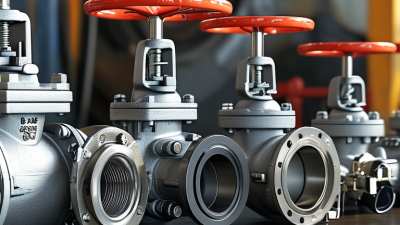
Why Are Steel Valves Preferred by Global Buyers? The answer begins with performance under pressure, heat, corrosion, and repeated operation. Across oil and gas facilities, power stations, water plants, and chemical processing lines, steel valves often provide the strength buyers need. Their solid bodies resist mechanical stress during installation, transport, and daily service. In a busy plant, that matters. A leaking valve can stop an entire process.
Valve materials specialist Dr. James R. Davis offers a practical view: “A valve earns trust through service, not appearance.” This idea explains why experienced buyers examine more than purchase price. They compare pressure ratings, steel grades, casting quality, sealing performance, traceability, and testing records. Carbon steel can suit demanding general applications, while stainless steel may perform better in corrosive environments. The correct choice depends on media, temperature, pressure, and maintenance conditions.
Steel valves are not perfect. Poor alloy selection can cause premature failure. Weak inspection can hide casting defects. Even a respected supplier may deliver the wrong specification if communication is careless. Buyers must review certificates, dimensional reports, hydrostatic tests, and applicable industry standards. These details may seem ordinary. They protect real equipment.
Global buyers also value availability and repairability. Standard steel valves are easier to source, service, and replace across international projects. Yet low cost should not control every decision. A cheaper valve may create higher downtime and maintenance expenses later. This article examines why steel valves remain widely preferred, while recognizing that material choice must follow engineering evidence, not habit.
Steel Valve Fundamentals and Main Industrial Applications
Why Are Steel Valves Preferred by Global Buyers?
Steel Valve Fundamentals and Main Industrial Applications
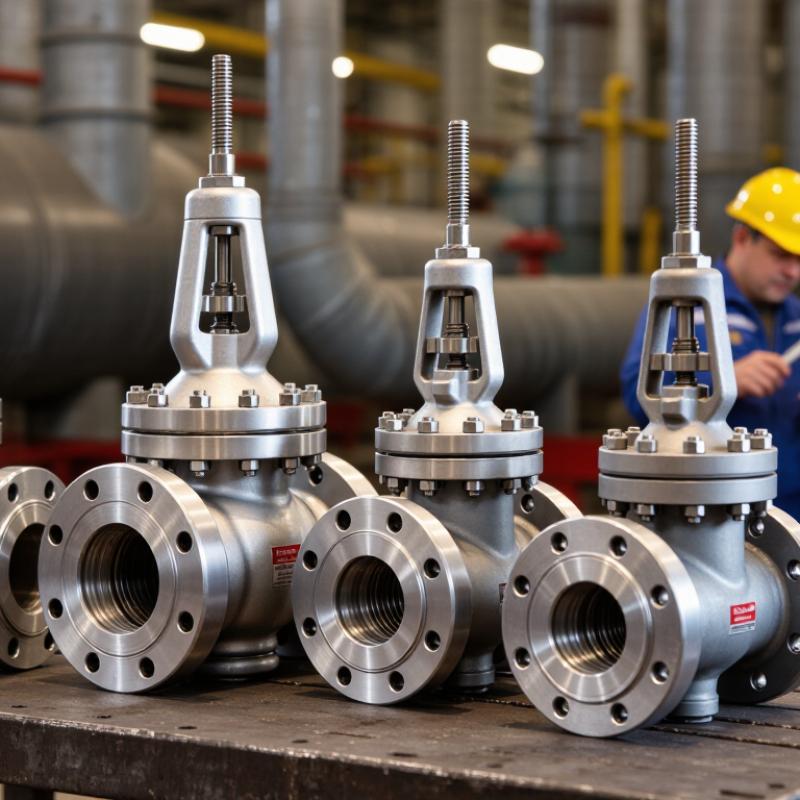
Steel valves control, isolate, or redirect fluids across demanding industrial systems. Their main parts include the body, bonnet, stem, seat, and sealing elements. Carbon steel offers strength and cost efficiency for many pressure services. Stainless steel provides better resistance to moisture and corrosive media. Alloy steel supports high temperatures and severe operating conditions. Material choice matters.
Valve selection starts with pressure, temperature, fluid type, and flow requirements. Gate valves suit full-open or full-closed service, while globe valves provide more precise flow control. Ball valves offer quick shutoff with compact designs. Check valves prevent reverse flow without manual operation. Each design has limits that engineers must respect.
Steel valves are widely used in power plants, water treatment facilities, chemical processing units, refineries, and manufacturing lines. In power systems, they handle steam and hot water near boilers. In water facilities, they control raw water, treated water, and sludge lines. Chemical plants require careful material compatibility checks. The details decide.
Field inspections often reveal problems caused by poor alignment, incorrect installation, or unsuitable seals. A strong valve can still fail under these conditions. Buyers should request material certificates, pressure-test records, dimensional checks, and maintenance guidance. Recognized industry standards improve consistency, but they cannot replace professional judgment. No valve fits all. Steel remains reliable, yet it demands disciplined selection and regular inspection.
Why Are Steel Valves Preferred by Global Buyers? - Steel Valve Fundamentals and Main Industrial Applications
| Valve Type | How It Works | Why Steel Is Used | Common Industrial Applications | Key Selection Consideration |
|---|---|---|---|---|
| Gate valve | A movable gate rises or lowers to start or stop flow. It is generally intended for fully open or fully closed service rather than throttling. | Steel bodies are widely used where a robust pressure-containing construction is required. Material grade is selected to suit the fluid, temperature, and operating conditions. | Oil and gas pipelines, water networks, power plants, and general process piping. | Check pressure and temperature ratings, end connections, material compatibility, and whether frequent operation is expected. |
| Globe valve | A disc moves against a seat to regulate or stop flow. Its flow path makes it suitable for control duties, though it typically causes more pressure drop than a straight-through valve. | Steel construction can provide a strong pressure boundary for demanding process and utility services. | Steam systems, cooling-water lines, and process lines requiring flow regulation. | Consider the required flow-control range, pressure loss, actuator needs, and service conditions. |
| Ball valve | A quarter-turn ball with a bore opens or closes the flow path. Some designs are also used for limited control duties, depending on their trim and service. | Steel bodies are available for pipeline and process applications where body strength and compatibility with the service are important. | Oil and gas facilities, chemical processing, and industrial utility systems. | Specify the correct seat and body materials, bore, pressure class, and fire-safe or emissions features when required by the application. |
| Check valve | Flow pressure opens the valve; reverse flow causes the closure element to return to its seat. It operates automatically and helps prevent backflow. | Steel bodies are used in many industrial lines to withstand the specified operating pressure and process environment. | Pump discharge lines, water systems, power generation, and process piping. | Confirm flow direction, installation orientation, cracking pressure, and suitability for the system’s flow conditions. |
| Butterfly valve | A rotating disc controls or isolates flow. The compact, quarter-turn design is common in larger-diameter piping. | Steel-bodied designs are used where the required pressure, temperature, or service conditions call for steel construction. | Water treatment, HVAC, power generation, and selected process services. | Check disc and seat materials, pressure and temperature limits, flow characteristics, and available installation space. |
| Carbon steel valve | “Carbon steel” describes a family of steels used for valve pressure-containing parts; it is not a valve operating mechanism. | Commonly selected for strength and broad industrial use when the fluid and environment are compatible with the material. | Oil and gas, steam, power, and general industrial services. | Assess corrosion risk, temperature, pressure, and any required corrosion allowance or protective measures. |
| Stainless steel valve | Stainless steel refers to the material of construction, which can be used with different valve designs. | Many stainless steel grades offer improved resistance to corrosion compared with carbon steel in suitable environments. | Food and beverage processing, pharmaceuticals, chemical processing, and water treatment. | Choose the grade based on the specific fluid, concentration, temperature, and risk of localized corrosion; “stainless” does not mean corrosion-proof. |
| Alloy steel valve | Alloy steel contains additional elements selected to provide properties suited to particular service conditions. | Appropriate alloy grades can be used for elevated-temperature or other demanding duties, subject to design and material specifications. | Power generation, refinery units, and high-temperature process systems. | Verify the specified grade, heat-treatment requirements, temperature limits, and applicable design and inspection standards. |
Selection note: Valve suitability depends on the complete design and service conditions, including pressure, temperature, fluid composition, corrosion and erosion risks, operating frequency, and applicable codes. Confirm ratings and material compatibility against the manufacturer’s technical documentation and project specifications.
Related Posts
-

Top Insights on Through Valve Technology for 2025 and Beyond
-
Top 10 Flow Valves What Should Global Buyers Know?
-
How to Choose the Right Through Valve for Your Needs?
-
Understanding the Role of Guide Valves in Modern Hydraulic Systems
-
How to Choose the Right Valve for Efficient Control?
-

Understanding Guide Valves: Their Role in Fluid Dynamics with 2023 Industry Insights
