What Is a Gate Valve China Top Supplier Guide?

A gate valve China top supplier guide helps buyers evaluate manufacturers beyond low quotations. It explains product design, factory capability, inspection evidence, and export reliability. The phrase “apa itu gate valve” means “what is a gate valve,” and it often appears in beginner searches. A gate valve controls flow with a moving wedge or slab. It is usually selected for full-flow isolation, not frequent throttling.

The global industrial valve market remains substantial. Grand View Research reports that the market was valued at approximately USD 78 billion in 2023, with continued growth expected through 2030. Another industry analysis from Mordor Intelligence identifies energy, water treatment, chemicals, and construction as important demand sectors. These figures show opportunity, but they do not prove that every Chinese supplier is dependable. The factory floor matters. So does the test bench.

A credible supplier should provide material certificates, pressure-test records, dimensional drawings, and traceable serial numbers. Buyers should check compliance with standards such as API 6D, API 598, ISO 5208, or applicable project specifications. Ask to see the testing process. Look for a hydrostatic test pump, marked valve bodies, and clearly identified packing materials. Small details reveal discipline.

Price alone is a weak filter. Delivery history, casting control, machining accuracy, and after-sales response deserve equal attention. No guide removes every sourcing risk. I may overemphasize documentation, yet undocumented quality is difficult to defend. The best supplier is not always the largest one. It is the manufacturer that can repeatedly deliver the correct valve, with evidence, on schedule.
What Is a Gate Valve China Top Supplier Guide?

What Is a Gate Valve? Definition, Design, and Flow-Control Function

What Is a Gate Valve? Definition, Design, and Flow-Control Function

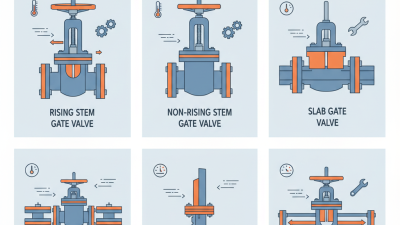
A gate valve controls fluid by moving a gate across the flow path. The gate usually travels vertically through a rising or non-rising stem. When fully open, it creates a nearly straight passage. This design can reduce pressure loss in water, oil, gas, and industrial piping systems. API 600 and ASME B16.34 define important requirements for materials, pressure ratings, testing, and construction. Field experience still matters, because installation errors can damage sealing surfaces.

Gate valves are mainly isolation devices, not precision throttling tools. Partial opening can cause vibration, erosion, and unstable flow. A wedge gate often seals against two angled seats, while a parallel gate suits different operating conditions. Operators should check pressure, temperature, fluid chemistry, end connections, and maintenance access before selection. The wrong choice may look acceptable during commissioning, then leak after repeated cycling.

Market data shows why this equipment remains important. Grand View Research reported that the global industrial valves market reached about USD 77.1 billion in 2023, with continued growth expected through 2030. That figure covers several valve types, not gate valves alone. It still reflects strong demand for dependable flow isolation. A practical China supplier guide should therefore examine test certificates, traceability, coating quality, and pressure-test records. Price matters, but it should not outrank documented performance.

“low pressure drop” only applies when the gate is fully open and correctly aligned.

Which Gate Valve Types Meet API 600 and ASME B16.34 Requirements?

A reliable China gate valve supplier guide should begin with standards, not catalog photos. API 600 covers bolted-bonnet steel gate valves for refinery, pipeline, and process service. The common compliant designs are rising-stem, outside-screw-and-yoke valves with solid or flexible wedges. Parallel-slide designs may suit special services, but their documentation must be checked carefully.

ASME B16.34 controls pressure-temperature ratings, materials, wall thickness, examination, and marking. A Class 150 or Class 600 label is not enough. Engineers should verify body material, trim combination, end connection, bonnet construction, and temperature limits. API 598 testing is also normally requested for shell and seat tests. The valve type alone does not prove compliance.

Details matter. Check whether the supplier provides design calculations, material test certificates, heat numbers, welding records, and traceable test reports. A 2024 Grand View Research report valued the global industrial valves market at about USD 78 billion in 2023, showing the scale of demand across energy and process industries. Yet market growth does not guarantee quality. That is the uncomfortable part.

Field experience suggests reviewing drawings before purchase. Some suppliers list “API 600 gate valve” while offering dimensions based on another standard. This can create installation problems. The better question is simple: Can every claimed requirement be independently verified? Shortcuts remain tempting. They should not pass technical review.

How Do DN15–DN1200 Sizes, Class 150–2500 Ratings, and Materials Compare?

What Is a Gate Valve China Top Supplier Guide?

Choosing a gate valve requires more than comparing prices. DN15 valves suit small instrument lines, while DN1200 valves demand careful piping alignment and strong lifting support. Size is not capacity. A DN number indicates nominal bore, not guaranteed flow. Field inspections should confirm face-to-face dimensions, flange drilling, stem clearance, and operating torque before installation.

Class 150 through Class 2500 ratings Class 150 through Class 2500 ratings describe pressure-temperature performance. They are not interchangeable labels. Class 150 may serve many water and general process systems, while Class 600, 900, or 1500 supports more demanding service. Class 2500 usually involves high-pressure, smaller-bore applications. DN1200 at Class 2500 would require exceptional engineering and may be impractical. Pressure changes everything. Always check the applicable standard and temperature derating.

Material selection depends on the medium, temperature, corrosion risk, and cycling frequency. Ductile iron can fit ordinary water service, but carbon steel offers broader industrial use. Stainless steel improves corrosion resistance, while alloy steel handles elevated temperatures more reliably. In supplier evaluations, request material certificates, pressure-test records, coating details, and traceability documents. A perfect spreadsheet can still hide poor machining or weak packing. I have seen buyers focus on body material and overlook seat compatibility. That mistake can cause leakage after only a few operating cycles. Independent inspection, sample verification, and clear acceptance criteria make comparisons more dependable.

How Can Buyers Evaluate a China Gate Valve Supplier’s Quality Data?

What Is a Gate Valve China Top Supplier Guide?

How Can Buyers Evaluate a China Gate Valve Supplier’s Quality Data?

A reliable evaluation starts with traceable evidence, not polished brochures. The ISO Survey 2022 recorded 1,265,216 ISO 9001 certificates worldwide. However, certification does not prove every valve meets project requirements. Ask for the certificate scope, issuing body, audit date, and manufacturing site. Confirm that the certificate covers valve production, not only administration.

Request lot-specific records before placing a large order. These should include heat numbers, material certificates, dimensional reports, and shell or seat pressure-test results. API 598 and ISO 5208 provide useful testing references. Check the test medium, pressure, duration, leakage class, gauge identification, and calibration date. Raw readings matter. A simple “passed” statement is weak evidence.

Review nonconformity reports and corrective-action records. Ask how often similar defects occurred, and whether actions were verified. World Bank Enterprise Surveys treat recognized quality certification as a measurable business feature, but supplier declarations still require independent checking. For critical service, arrange witnessed testing or third-party inspection. A small pilot order can reveal packing damage, coating inconsistency, and traceability gaps. It is slower. It is often cheaper than a failed installation. One uncomfortable lesson remains: perfect data may indicate careful reporting, or selective reporting. Compare several batches, question missing fields, and record every answer.

Which Tests, Certifications, Lead Times, and Industries Define Top Suppliers?

What Is a Gate Valve China Top Supplier Guide?

A top supplier proves quality through repeatable testing, not attractive photographs. Each gate valve should receive shell and seat pressure tests before shipment. Inspectors may check leakage, body thickness, stem operation, and closing torque. Test pressure, duration, and acceptance limits should appear in signed reports. Material certificates should trace castings, trim, bolts, and sealing components to heat numbers.

Reliable suppliers normally maintain ISO 9001 systems and provide inspection records without hesitation. Depending on the project, buyers may also require API, ASME, EN, or fire-safe compliance. Certification alone is not enough. Confirm the exact valve model, pressure class, materials, and applicable edition of each standard. An audit, video inspection, or independent witness test adds useful evidence. Documents can still contain errors, so review them carefully.

Lead time reveals operational maturity. Standard carbon-steel valves may ship within several weeks, while large forged or corrosion-resistant designs need longer production. Ask for a schedule covering drawing approval, casting, machining, testing, painting, and packing. Strong suppliers serve water treatment, power generation, chemical processing, oil and gas, mining, and industrial HVAC applications. Each industry changes the priorities. Water projects may emphasize coating and low leakage, while chemical plants focus on material compatibility. A supplier can be technically capable yet unsuitable for urgent orders. Delayed feedback remains a warning sign.

×
img

    Contact Info

    Phone number

    661-392-8948

    Address info

    3451 Pegasus Drive, Bakersfield, CA USA