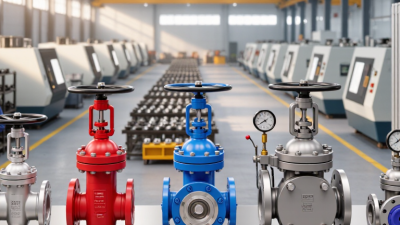
China Best Forged Valves Manufacturers How to Choose?

Choosing China’s best forged valves manufacturers requires more than comparing catalog prices. A reliable decision begins with service conditions, material requirements, pressure ratings, and documented production controls. The valve may look polished, yet its internal quality remains invisible. That is where experience matters.

Philip L. Skousen, author of The Valve Handbook, offers a practical warning: “A valve is only as reliable as its application and maintenance.” This principle fits forged valves especially well. Ask whether the manufacturer understands high-pressure steam, oil and gas, chemical, or cryogenic service. Review body materials, forging practices, heat-treatment records, and dimensional controls. Request API, ASME, ISO, or other relevant compliance evidence. Do not accept certificates without checking traceability.

A serious supplier should explain ultrasonic testing, magnetic-particle inspection, pressure testing, and seat leakage results. Factory audits can reveal details that brochures hide. Look at machining floors, calibration labels, storage conditions, and how workers protect sealing surfaces. Small scratches can become expensive failures.

Supplier communication also matters. Can the engineering team answer technical questions clearly? Can it provide drawings before production? Can it support replacement parts after delivery? These questions expose real capability.

The cheapest quotation may be reasonable. It may also conceal weak documentation or inconsistent batches. No checklist is perfect. I have seen buyers focus heavily on price and overlook delivery control. That mistake deserves reflection. The best forged valves manufacturer combines verified metallurgy, stable manufacturing, transparent inspection, and dependable after-sales support. Selection should feel methodical, not rushed.

China Best Forged Valves Manufacturers How to Choose?

What Are Forged Valves and Why Are They Used in China?

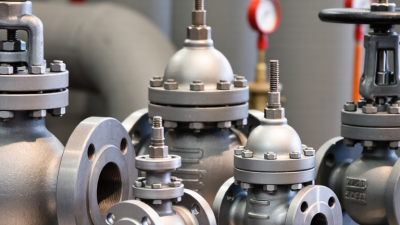
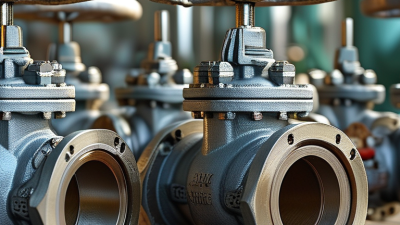
Forged valves are pressure-control components made by shaping heated steel billets under force. Unlike cast valves, forging compresses the metal and can reduce internal porosity. This dense structure suits high-pressure oil, gas, chemical, and power-service lines. Typical designs include gate, globe, and check valves with compact bodies and smaller flow passages.

China uses forged valves widely because its energy and process industries require durable equipment in demanding conditions. The World Steel Association reported that China produced about 1.005 billion tonnes of crude steel in 2024. This large steel base supports extensive forging, machining, heat-treatment, and testing capabilities. It also helps manufacturers produce common pressure classes and sizes efficiently. However, scale alone proves little. Quality depends on billet control, forging temperature, heat treatment, non-destructive testing, and material traceability.

ASME B16.34 and API 602 provide important design and testing references for many forged valve applications. Buyers should check pressure-temperature ratings, body material, end connections, inspection records, and documented hydrostatic tests. A reliable factory should explain how it controls grain structure and detects cracks before shipment. The choice is not always obvious. A cheaper valve may carry hidden costs through leakage, downtime, or difficult maintenance. Even experienced buyers can overvalue polished certificates and undercheck production evidence. Factory audits, sample reports, and third-party inspection create stronger confidence than catalog language alone.

China Best Forged Valves Manufacturers: How to Choose?

Forged valves are produced by shaping heated metal under high pressure. This process creates a dense, strong body that is well suited to high-pressure, high-temperature, and severe-service applications in oil and gas, power generation, chemical processing, and industrial piping.

How to read the chart: The values show the approximate pressure rating at 38°C (100°F) for ASTM A105 carbon-steel pressure classes, based on commonly used ASME B16.34 rating values. Actual allowable pressure depends on the valve material, temperature, size, trim, end connection, and applicable design standard.

Which Types of Forged Valves Do Chinese Manufacturers Produce?

Chinese forged valve manufacturers commonly produce forged gate, globe, check, ball, and needle valves. Each type serves a different operating need. Gate valves provide straight-through flow with low pressure loss. Globe valves offer more controlled throttling. Check valves prevent reverse flow in pumps and process lines.

Forged ball valves are often selected for compact shutoff service. Their tight sealing suits oil, gas, steam, and chemical systems. Needle valves handle precise flow adjustment in instruments and sampling lines. Some manufacturers also produce Y-pattern globe valves, forged cryogenic valves, and high-pressure small-bore valves. Available sizes commonly range from instrument connections to larger process piping.

Material options may include carbon steel, stainless steel, alloy steel, and duplex grades. Experienced manufacturers usually support pressure classes, temperature limits, and connection standards requested by the project. However, a polished catalog proves little. Buyers should review material certificates, heat numbers, dimensional reports, and hydrostatic test records. Positive material identification can confirm alloy composition before shipment. Factory audits and sample inspections add useful evidence. I have seen specifications overlooked because the valve type looked correct. That mistake can affect torque, sealing, and service life. Ask about packing, seat materials, stem design, and fire-safe testing when relevant. The best choice depends on media, pressure, temperature, cycling frequency, and installation space.

How to Evaluate China’s Forged Valve Manufacturing Capabilities

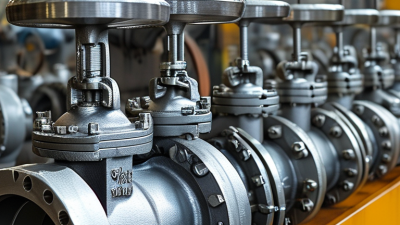
Choosing a Chinese forged valve manufacturer requires more than comparing prices or polished catalog photographs. Evaluate its manufacturing process from billet receipt to final pressure testing. Ask whether the factory controls forging temperature, reduction ratio, and die maintenance. These details affect grain flow and body strength.

Visit the production floor when possible. Look for forging presses, controlled heat-treatment furnaces, machining centers, and clearly identified inspection areas. Review material certificates and confirm heat numbers remain traceable after cutting and machining. A reliable manufacturer should provide dimensional reports, positive material identification, hardness results, and hydrostatic or pneumatic test records. Calibration dates must be visible. Small details matter.

Check whether procedures follow relevant requirements, such as API 602 or ASME B16.34, when applicable to your valve design. Do not accept certificates without checking their scope and issuing organization. Ask for sample nonconformance reports. How did the factory investigate a leakage failure? What changed afterward? The answer often reveals more than a sales presentation. Request a pilot batch before a large order, then compare drawings, markings, packing, and test data against the approved specification. Factory experience is valuable, but it can also create habits. An honest evaluation should leave room for doubt. No production line is flawless. What matters is whether problems are detected, documented, and corrected before shipment.

China Best Forged Valves Manufacturers How to Choose? - How to Evaluate China’s Forged Valve Manufacturing Capabilities
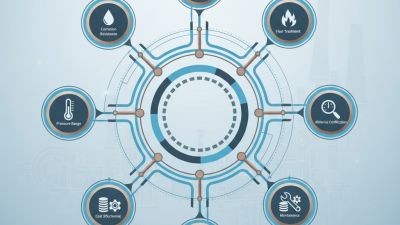
Evaluation Dimension What to Verify Objective Evidence or Test Method Practical Benchmark for Selection Weight Score
(0–5)
Priority
Applicable Design Standards Whether the forged valve design is engineered for the required pressure class, size range, end connection and service conditions. Review design calculations, drawings, material specifications and conformity statements against ASME B16.34, API 602 or the project specification. Design documentation should clearly identify the applicable edition of each standard and match the ordered valve configuration without conflicting requirements. 12% ____ Essential
Forging Process Control Control of billet identification, forging temperature, reduction ratio, heat treatment and traceability from raw material to finished valve. Audit forging procedures, heat-treatment charts, furnace calibration records, material heat numbers and forging or production route cards. Every pressure-retaining component should remain traceable to its material certificate and heat-treatment record; records should be complete and internally consistent. 12% ____ Essential
Material Certification Material grade, chemical composition, mechanical properties and product form for bodies, bonnets, stems, gates, seats and pressure-retaining parts. Check EN 10204 3.1 or project-required material certificates, including heat number, chemistry, tensile strength, yield strength and elongation where applicable. Certificates should correspond to the actual supplied material and satisfy the specified ASTM, ASME, EN or equivalent material grade. 12% ____ Essential
Pressure and Seat Testing Ability to verify shell integrity, backseat performance where applicable and closure tightness before shipment. Review hydrostatic and seat-test procedures, calibrated gauge records and test reports prepared in accordance with API 598 or the purchase specification. Each valve should have a serialised test record identifying test medium, pressure, duration, acceptance result, operator and calibrated equipment. 14% ____ Essential
Pressure-Retaining Integrity Resistance of the forged body and bonnet to pressure, thermal cycling and service-related loads. Verify wall-thickness control, body and bonnet inspection records, pressure-boundary drawings and any required destructive or non-destructive test results. Critical pressure-boundary dimensions should be controlled by approved drawings and inspection plans; deviations require documented approval. 10% ____ Essential
Non-Destructive Examination Detection of surface or internal discontinuities in forgings and finished pressure-retaining components. Review examination procedures and personnel qualifications for liquid penetrant, magnetic-particle, ultrasonic or radiographic testing when required by the purchase specification. NDE methods, sampling level and acceptance criteria should be defined before production and linked to the applicable ASTM, ASME or project requirement. 10% ____ Essential
Dimensional and Machining Capability Accuracy of forged body dimensions, bore, stem, end-to-end length, flange or threaded ends and sealing surfaces. Inspect coordinate-measuring equipment, machining inspection plans, gauge calibration and final dimensional reports against approved drawings. Final inspection should cover all critical dimensions and functional interfaces, with calibrated instruments and documented measurement results. 8% ____ Recommended
Fugitive Emissions Control Stem-sealing performance for valves used in environmental, toxic, flammable or volatile-fluid service. Confirm testing capability and reports according to ISO 15848-1, ISO 15848-2 or another specified fugitive-emission standard. For emission-sensitive applications, require a defined leakage class, test temperature, cycling count, packing arrangement and acceptance limit in the purchase order. 8% ____ Recommended
Materials for Sour Service Suitability of metallic materials and hardness control for hydrogen-sulfide-containing oil and gas environments. Review compliance documentation, hardness results and material-selection records against NACE MR0175/ISO 15156 when sour service is specified. Materials, heat treatment and hardness limits should be selected for the actual environment rather than accepted solely on the basis of a general stainless-steel or alloy designation. 7% ____ Essential
Quality Management System Effectiveness of documented quality planning, corrective action, supplier control and record retention. Check the validity and scope of ISO 9001 certification, internal audit records, nonconformance reports and corrective-action effectiveness. The certification scope should cover valve design, manufacturing or testing activities relevant to the proposed supply, not only unrelated administrative operations. 7% ____ Recommended
Production Capacity and Lead-Time Control Ability to maintain stable output for the required valve type, pressure class, material and delivery schedule. Review monthly production capacity, bottleneck processes, equipment list, subcontractor controls, on-time delivery history and capacity-loading plan. Capacity claims should be supported by production records and a documented schedule showing raw-material, forging, machining, testing and inspection lead times. 5% ____ Recommended
Documentation and Traceability Completeness and accuracy of the manufacturing data book supplied with each order. Request a sample index covering drawings, certificates, heat-treatment records, NDE reports, pressure-test reports, dimensional reports and final release documents. Documentation should be searchable by purchase-order number, valve tag, serial number, component heat number and test record. 5% ____ Recommended
Recommended scoring method: Multiply each score by its weight and add the results for a weighted total out of 5. A supplier should not be approved solely on the total score if it fails an essential requirement such as material traceability, pressure testing, applicable design standards or sour-service compliance. Final acceptance should be based on the project specification, applicable legal requirements and the valve’s intended operating conditions.

What Quality Standards Should a Forged Valve Manufacturer Meet?

Choosing a forged valve manufacturer starts with measurable quality standards, not attractive catalog photos. A capable supplier should operate a documented quality system, preferably certified to ISO 9001. This certificate matters only when daily records support it. Ask for controlled procedures, trained inspectors, calibration logs, and corrective-action reports. These details show whether quality is practiced or merely advertised.

The valves should meet applicable requirements such as API 602 and ASME B16.34, when project specifications require them. Material control is equally important. Each pressure-bearing component should have heat numbers, material certificates, and traceability through machining and assembly. For stainless or alloy valves, positive material identification can prevent a costly substitution. Pressure tests should follow approved procedures, with hydrostatic results recorded for every tested unit. Seat leakage acceptance must be clearly defined, rather than described as “factory tested.” That phrase is too vague. Evidence matters.

A reliable manufacturer also understands service conditions. It should review pressure, temperature, fluid chemistry, cycle frequency, and corrosion risks before recommending materials. For sour service, compliance with NACE MR0175/ISO 15156 may be necessary. Independent inspection can add confidence, especially for critical pipelines or severe operating environments. Still, no supplier is perfect. A factory audit may reveal weak documentation, rushed repairs, or inspection steps that exist only on paper. Not just paperwork. Buyers should compare evidence, question unclear test results, and confirm whether the manufacturer’s experience matches the valve’s actual service.

How to Select the Best Chinese Forged Valve Manufacturer for Your Needs

How to Select the Best Chinese Forged Valve Manufacturer for Your Needs

Choosing a Chinese forged valve manufacturer requires more than comparing prices. Start with your operating conditions, including pressure, temperature, media, size, and connection type. Forged valves suit demanding service because forging can improve grain structure and mechanical strength. According to Grand View Research’s Industrial Valves Market Report, global demand is expected to grow steadily through 2030, increasing pressure on suppliers and quality systems. Growth alone proves nothing. Factory evidence matters more.

Ask for material certificates, heat-treatment records, and pressure-test results for each production batch. Confirm compliance with relevant standards, such as API 602, ASME B16.34, ISO 15848, or project-specific requirements. A reliable manufacturer should explain inspection methods clearly. Request sample documents before signing. Check whether certificates match heat numbers stamped on the valve body. This small detail often exposes weak traceability. I would also review welding controls, calibration records, and non-destructive testing procedures. Photos are useful, but an independent factory audit is stronger.

Tips: Compare at least three manufacturers using the same technical specification. Visit the facility, or appoint an independent inspector. Ask for references from similar pressure and temperature applications. Confirm delivery capacity, spare-part support, and response times in writing. Avoid selecting the lowest quotation automatically. It may exclude testing, coating, documentation, or export packaging. One imperfect but honest answer is better than polished promises without records. Review every assumption before approval.

×
img

    Contact Info

    Phone number

    661-392-8948

    Address info

    3451 Pegasus Drive, Bakersfield, CA USA